- Classification of microorganisms – bacteria, viruses, fungi, algae, protozoa, mycoplasma
- structure and size of bacteria
- Beneficial microorganisms — food products (curd, bread, idli-dosa)
- Beneficial microorganisms – drug manufacturing (antibiotics, streptokinase, statins)
- Biological nitrogen fixation and biofertilizers
- Biocontrol/biopesticides — Bt, Trichoderma, Baculovirus
- Harmful microorganisms — human diseases, food poisoning, plant diseases
- Economic importance of fungi and algae
- Introduction to Fermentation—Definition, Process, Louis Pasteur
- Types of Fermentation Part 1 – Alcoholic and Lactic Acid Fermentation
- Types of Fermentation Part-2 – Acetic, Butyric and Mixed Acid Fermentation
- Fermentation in the dairy and bakery industry
- Industrial applications – Bioethanol and factors affecting fermentation
- Dairy Industry and Bio-Fertilizer Schemes of Rajasthan
In 1857, the owners of a French winery were perplexed—their wine repeatedly soured and became unusable, and they couldn't figure out why. Then a young chemist, Louis Pasteur, examined a drop of wine under a microscope and discovered microbes floating in it—some making good wine, others ruining it. This is where we realized that the world is filled with an invisible, microbial multitude—some of which are our greatest friends (making yogurt, creating medicines, enriching soil), and some of which are our greatest enemies (spreading disease, spoiling food). Interestingly, this same invisible world is shaping our lives today, from a bowl of yogurt to the ethanol in gasoline. Let's explore this unique world of microorganisms and fermentation technology in detail.
1 Classification of microorganisms – bacteria, viruses, fungi, algae, protozoa, mycoplasma
Microorganisms are tiny living organisms that cannot be seen with the naked eye; a microscope is required to see them. They are found everywhere in nature—in soil, water, air, food, and the human body. Microorganisms are both our friends and our enemies—some are extremely beneficial, while others are harmful.
Six Major Types of Microorganisms
| Type | Key Features |
|---|---|
| Virus | The 'connecting link' between living and nonliving; inactive outside the cell, active inside; TMV, influenza virus |
| Bacteria | Unicellular, prokaryotic; cell wall made of peptidoglycan; reproduction by binary fission |
| Fungi | Eukaryotic, chlorophyll-free; chitin cell walls; mycelium composed of threadlike hyphae |
| Algae | Chlorophyll-containing, photosynthetic; thallus-type body; contributes about 50% of Earth's total photosynthesis |
| Protozoa | Unicellular, eukaryotic, heterotrophic; animal-like characteristics; locomotor organs—pseudo-pods/cilia/flagella |
| Mycoplasma | Smallest free-living prokaryotic cells; lack a cell wall; pleomorphic |
Viruses – the link between living and non-living
Viruses contain DNA or RNA protected within a protein capsid. Outside a living cell, they can exist as inactive, crystal-like virions—a non-living property. However, upon entering a living cell, they begin to grow and multiply, and also exhibit mutations—both living properties. Tobacco mosaic virus (TMV) in plants and influenza virus in humans are prime examples.
In 1935, scientist Wendell Stanley purified tobacco mosaic virus into crystal form – demonstrating that a 'living' object could form a crystal was a revolutionary discovery in the world of science, forcing a rethinking of the very definition of living and nonliving.
◆ Microorganisms ◆ Virus ◆ Bacteria ◆ Fungi ◆ Algae ◆ Protozoa ◆ Mycoplasma
2 Structure and size of bacteria
Bacteria are the most numerous organisms on Earth—adapted to every environment, from snowy peaks to hot springs. They have no nuclear membrane—their DNA floats directly in the cytoplasm as a nucleoid. Under unfavorable conditions, they can remain dormant for years by forming a tough protective covering called an endospore.
🖼️ Main shapes of bacteria – coccus, bacillus, spirillum and other shapes
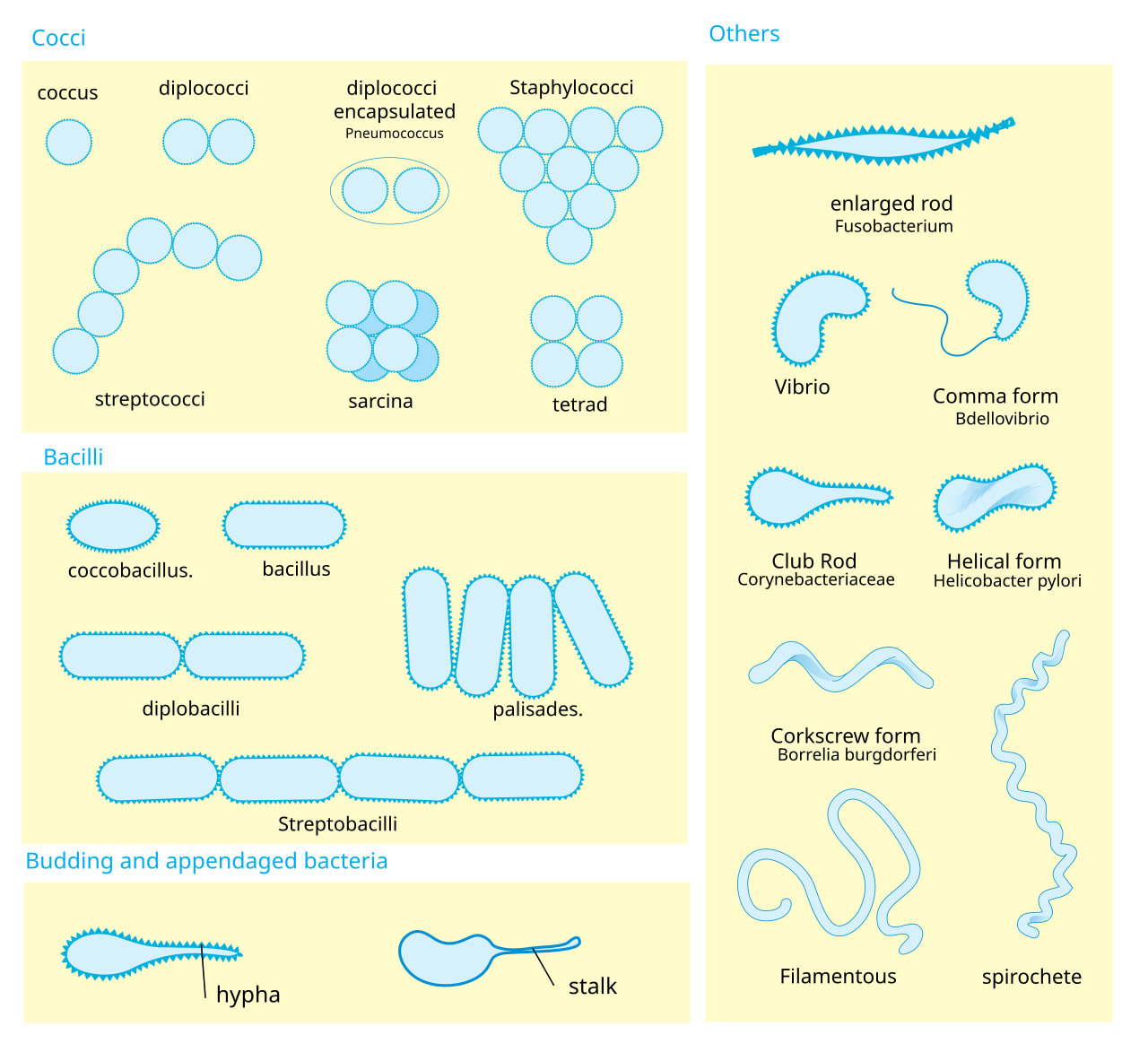
Types of bacteria based on size
| Type | Shape | Example |
|---|---|---|
| Coccus | spherical | Staphylococcus |
| Bacillus | puny | Escherichia coli |
| Spirillum | spiral | spirochete |
| Vibrio | Comma (comma) size | Vibrio cholerae(causative agent of cholera) |
Nutritionally, bacteria are of two types: autotrophic (which make their own food through photosynthesis or chemosynthesis) and heterotrophic (which are parasites or saprophytes). Their growth and reproduction occur so rapidly by binary fission that under favorable conditions, one bacterium can multiply into millions in a matter of hours.
Special structure of the virus – bacteriophage
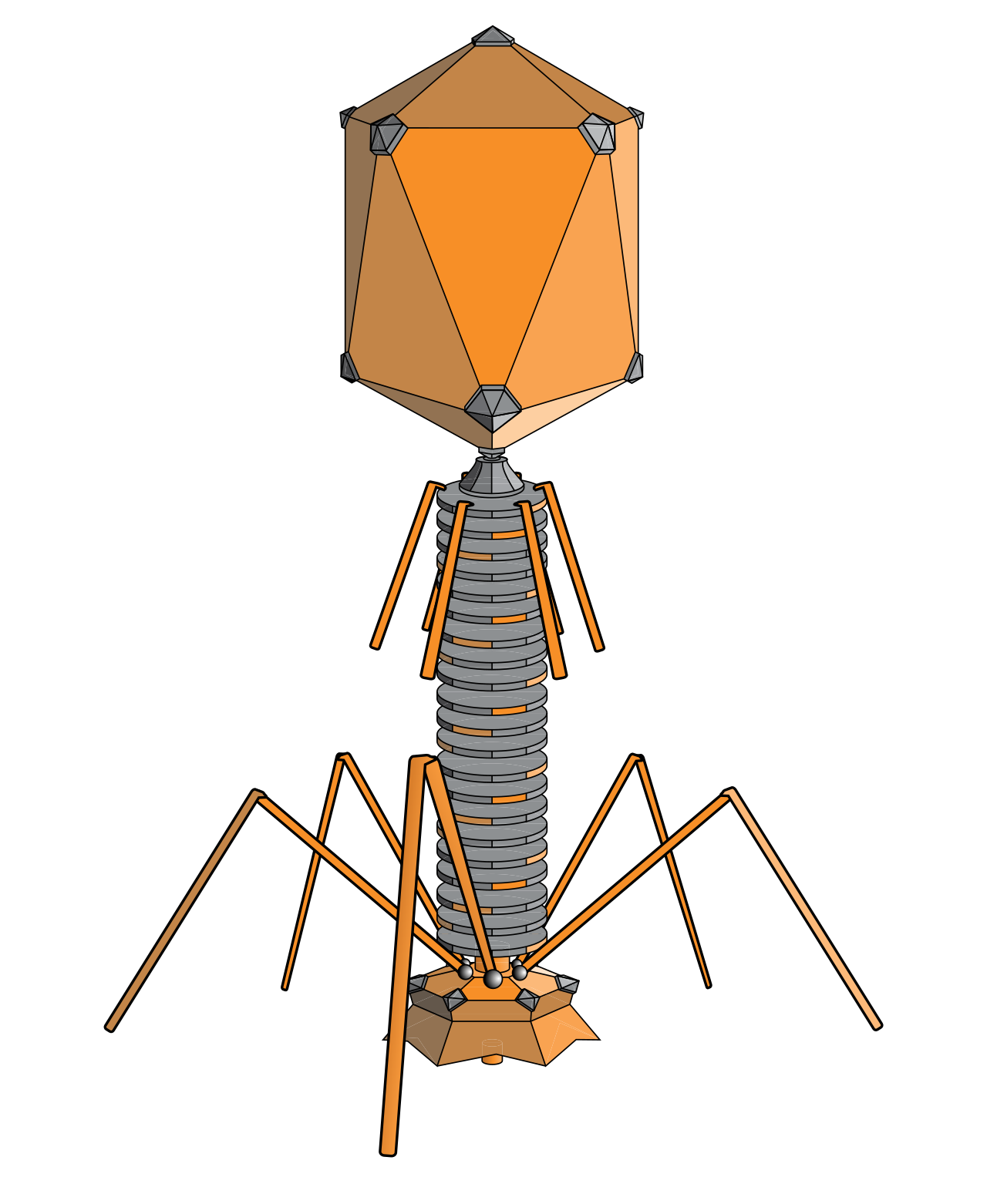
Bacteriophage is a special type of virus that infects only bacteria. Its structure is extremely complex and specialized—the head houses the genetic material, while the tail and foot fibers allow it to attach to the bacterial cell and inject its DNA into it.
🖼️ Structure of a bacteriophage (T4 phage) – head, tail and leg fibres
Some bacteria are so hardy that they have been found living in Antarctica's ice, deep-sea volcanic vents (hydrothermal vents) and even on the surface of spacecraft – these are called extremophiles.
◆ Bacterial structure ◆ nucleoid ◆ Endospore ◆ Coccus, Bacillus, Spirillum, Vibrio ◆ bacteriophage
3 Beneficial microorganisms — food production (curd, bread, idli-dosa)
We use microorganisms or their products in many food items every day like curd from milk, idli-dosa batter, bread, etc., which are mainly prepared by the process of fermentation – the detailed science of fermentation is explained in Topics 9-11 of this chapter.
Curd Formation
Main factors in curd formationLactobacillusThe other is lactic acid bacteria (LAB). They grow in milk and produce lactic acid, which causes the milk proteins to coagulate and turn into curd. Aged curd is added to fresh milk as a starter/inoculum. Consumption of curd increases vitamin B12 and helps prevent harmful pathogens in the intestines.
Fermentation of Idli-Dosa Batter
The lentil-rice batter is fermented by bacteria naturally present in the air, water, the vessel, and on the surface of the raw ingredients. During fermentation, carbon dioxide (CO₂) gas is produced, which makes the batter fluffy and light—this process is what makes idlis soft and spongy.
Bread Making
Baker's yeast - Saccharomyces cerevisiae(a type of fungus)—is used, which ferments sugars to produce CO₂ gas. This gas is trapped in the dough and causes it to swell, making the bread soft and spongy.
Other Traditional Fermented Foods
- Toddy – A traditional drink made from the fermentation of palm tree sap.
- Fermented fish, fermented soybeans and bamboo shoots – these improve taste, aroma and digestibility.
- Algae called Chlorella – used in soups, ice cream and nutritious foods.
The next time you eat yogurt rice or idli and sambhar, remember—these flavors and textures are the result of the hard work of microorganisms. This is why microbiology is sometimes called the "hidden science of the kitchen."
◆ Yogurt manufacturing ◆ Lactobacillus ◆ Idli-Dosa Fermentation ◆ Saccharomyces cerevisiae ◆ Toddy
4 Beneficial Microorganisms – Drug Manufacturing
Penicillin—the first antibiotic
'Anti' means against, 'biotic' means life—that is, antibiotics are substances that act against disease-causing microorganisms. The first antibiotic was penicillin, discovered by Alexander Fleming.Penicillium notatumIt was first developed into an effective drug by Ernest Chain and Howard Florey, earning the Nobel Prize in 1945 for their work.
Other important antibiotic-producing microorganisms
| antibiotic | Productive microorganisms | Discoverer (year) |
|---|---|---|
| Streptomycin | Streptomyces griseus | Waxman (1943) |
| chlorotetracycline | Streptomyces aureofaciens | Duggar (1947) |
| Erythromycin | Streptomyces erythreus | McCall (1953) |
Modern Bioactive Molecules
| molecule | Source | Use |
|---|---|---|
| Streptokinase | Streptococcusbacteria | Clot Buster — for heart attack patients, to remove clots from blood vessels |
| Cyclosporine-A | Trichoderma polysporumFungus | Immunosuppressants – to prevent rejection by the body in organ transplants |
| Statins | Purple monkfishYeast | Lowering blood cholesterol – competitive inhibition of cholesterol-producing enzymes |
Antimicrobial resistance (AMR) is a serious challenge to global health today. India launched the National Antimicrobial Resistance Action Plan 2.0 (NAP-AMR 2.0, 2025-2029) on November 18, 2025, which adopts a 'One Health' approach to monitor antibiotic use across all sectors – humans, animals, agriculture, and the environment. Drug-resistant tuberculosis (TB) is on the WHO's 2024 priority pathogen list.Mycobacterium tuberculosis) has also been included.
Taking antibiotics without a doctor's advice or abandoning treatment mid-treatment can both make bacteria resistant, making them ineffective in the future. This is a risk similar to the one discussed in Chapter 8 with MDR-TB.
◆ Antibiotic ◆ penicillin ◆ Alexander Fleming ◆ streptokinase ◆ Cyclosporine-A ◆ Statins ◆ Antimicrobial Resistance (AMR)
5 Biological nitrogen fixation and biofertilizers
The atmosphere is rich in nitrogen gas (N₂) (about 78%), but plants cannot use it directly. Certain microorganisms convert atmospheric nitrogen into compounds useful to plants—this is called biological nitrogen fixation, which is the most natural way to reduce dependence on chemical fertilizers.
Biological nitrogen fixation by root nodules in leguminous plants (Fabaceae)
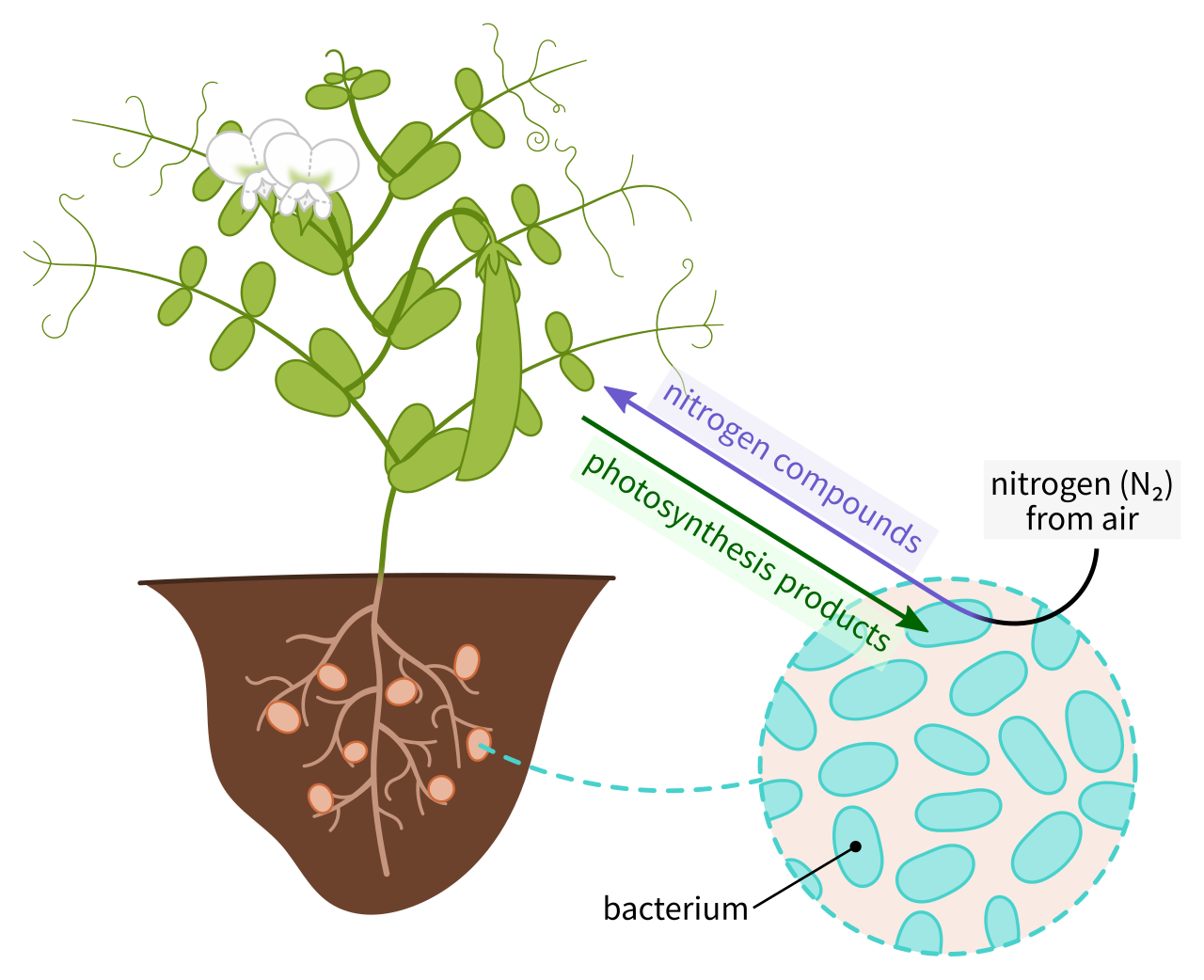
Major nitrogen-fixing microorganisms
| Microorganisms | Type | relationship |
|---|---|---|
| Rhizobium (Rhizobium) | bacteria | Symbiotic in the root nodules of leguminous plants (mung bean, moth bean, gram, pea) |
| Azospirillum (Azospirillum) | bacteria | Associated with grasses and cereal crops (wheat, maize) |
| Azotobacter (Azotobacter) | bacteria | Free-living in the soil; useful in cotton and vegetable crops |
| Glomus (Glomus) | Fungi (mycorrhiza) | Helps in phosphorus absorption by forming a bond with the roots |
| Anabaena, Nostoc (cyanobacteria) | algae-like bacteria | Biofertilizers in paddy fields |
💡 A unique partnership in the rice fields: The Anabaena-Azolla relationship is renowned for improving soil fertility in rice cultivation—where Azolla, an aquatic fern, harbors Anabaena cyanobacteria in its leaves, and Anabaena, in turn, fixes nitrogen to nourish Azolla and the surrounding rice. This is an example of nature's classic symbiosis.
National Policy on Biofertilizers
The Government of India has launched several schemes to promote natural and organic farming – the National Mission on Natural Farming (NMNF, total budget ₹2,481 crore) and the National Mission on Natural Farming (NMNF) launched on 25 November 2024 – the National Mission on Natural Farming (NMNF) – launched on 25 November 2024. These schemes aim to encourage farmers to adopt chemical-free farming, in which biofertilizer microorganisms such as Rhizobium and Azotobacter play a central role.
◆ biological nitrogen fixation ◆ Rhizobium ◆ Azotobacter ◆ mycorrhizae ◆ Cyanobacteria ◆ Anabaena-Azolla relationship
6 Biocontrol/biopesticides – Bt, Trichoderma, Baculovirus
Biological control is a method that uses living organisms or microorganisms to control pests and pathogens instead of chemical pesticides. It is considered an environmentally friendly and sustainable agricultural practice—unlike chemical pesticides, they affect only the target pest, not beneficial insects or humans.
Bacillus thuringiensis (Bt)
Bt meansBacillus thuringiensisBt is a bacterium used to control insects such as butterfly caterpillars. Its dried spores are mixed with water and sprayed on crops – when the larvae eat them, a specific toxin is produced in their digestive tract that kills only the target insect, leaving others unharmed. By directly transferring the gene for this Bt toxin into plants, insect-resistant plants such as Bt-cotton have been developed, which is widely used against the bollworm pest in cotton cultivation.
Trichoderma
It is a free-living fungus found in the ecosystem around plant roots and acts as an effective biocontrol agent against many plant pathogens.
Baculoviruses
These are viruses that specifically infect insects and arthropods. Of these, nucleopolyhedrosis virus (NPV) is particularly useful in biological control—it is a narrow-spectrum insecticide, meaning it affects only the target insect and is completely safe for plants, mammals, birds, fish, and beneficial insects.
| 🌿 Benefits of Biopesticides | Limitations of chemical pesticides |
|---|---|
| ◆ Eco-friendly, no chemical residue ◆ Only target insects affected, beneficial insects protected ◆ No soil and water pollution ◆ Promoting long-term sustainable agriculture | ◆ All types of insects (including beneficial ones) affected ◆ Toxic residues in soil and water ◆ development of resistance in insects ◆ long term effects on human health |
Before the introduction of Bt-cotton, Indian cotton farmers had to repeatedly spray expensive chemical insecticides to protect themselves from the bollworm pest. The introduction of Bt-cotton not only reduced pesticide costs but also significantly reduced farmers' health risks.
◆ Biological Control ◆ Bacillus thuringiensis (Bt) ◆ Bt-cotton ◆ Trichoderma ◆ Baculovirus ◆ NPV
7 Harmful microorganisms – human diseases, food poisoning, plant diseases
There is another side to microorganisms – some cause diseases in humans, animals and plants, contaminate food, and destroy valuable materials (cloth, paper, wood, leather).
major human disease-causing bacteria
| Disease | Causative bacteria |
|---|---|
| Tuberculosis (TB) | Mycobacterium tuberculosis |
| leprosy | Mycobacterium leprae |
| Cholera | Vibrio cholerae |
| plague | Pasteurella pestis |
| Diphtheria | Corynebacterium diphtheriae |
| tetanus | Clostridium tetani |
| Whooping cough | Bordetella pertussis |
| Anthrax | Bacillus anthracis |
Food Poisoning
Some bacteria secrete toxins into food and cause food poisoning—e.g.Staphylococcus, Salmonella typhimuriumAndClostridium botulinum(Which causes the very serious poisoning called botulism.) Fungi such as Mucor, yeast, and Aspergillus also play an important role in food spoilage.
Plant Pathogens
| Disease | Causative microorganisms |
|---|---|
| Citrus Canker of Lemon | Xanthomonas citri(bacteria) |
| Wheat Rust | Puccinia (fungus) |
| Loose Smut of Wheat | Ustilago (fungus) |
| Yellow vein mosaic of okra | viral |
Bacteria that reduce soil fertility – Denitrification
While bacteria like Rhizobium fix nitrogen, some bacteria—such as Bacillus denitrificans and Thiobacillus denitrificans—reduce soil fertility by converting soil nitrate back into free nitrogen/ammonia. This is called denitrification—the other, opposite side of the biological nitrogen cycle.
Most bacterial and fungal losses can be prevented by sanitation, proper storage temperatures, pasteurization, and timely vaccination—the same principles that underlie public health programs in Chapter 8.
◆ human pathogenic bacteria ◆ Food Poisoning ◆ botulism ◆ Plant pathogens ◆ Denitrification
8 Economic importance of fungi and algae
Economic importance of fungi
| ✅ Beneficial Use | ❌ harmful effects |
|---|---|
| ◆ Foods – Mushrooms (Agaricus), yeast (rich in protein and carbohydrates) ◆ Cheese industry — Penicillium species ◆ Bakery industry — Saccharomyces cerevisiae ◆ Enzyme production – 'Zymase' enzyme from yeast, which is useful in fermentation ◆ Eliminate waste – Merulius, Chytomium | ◆ Crop diseases – white rust, wheat rust and loose smut ◆ Skin diseases, mycosis, aspergillosis in humans ◆ Destroying clothes, leather, and paper ◆ Food spoilage – Mucor, yeast, Aspergillus |
Economic importance of algae
| Area | Use |
|---|---|
| Meal | Spirulina (a complete food—as much calcium as milk, more vitamin A than carrots), Chlorella (protein-vitamin) |
| Industry | Agar-agar from Gelidium, Gracilaria – used in jellies, ice creams and laboratory culture media |
| Medicine | Chlorellin, an antibiotic from Chlorella |
| Agriculture | Anabaena, Nostoc – nitrogen fixation; Fucus, Sargassum – as fertilizer |
| mineral resources | Laminaria, Fucus – natural sources of iodine and bromine |
Cyanobacteria – both advantages and disadvantages
Cyanobacteria (blue-green algae) like Nostoc and Anabaena are extremely useful for nitrogen fixation (detailed in Topic 5), but when they multiply excessively in ponds and lakes, they cause a 'Water Bloom/Algal Bloom' – a condition in which there is a severe depletion of oxygen in the water, foul smell spreads, and mass mortality of fish and other aquatic organisms can occur. Some cyanobacteria (such as Microcystis) also release toxins that can be fatal to animals.
💡 Spirulina — The Superfood of the Future: Spirulina is sometimes called the "food of the future" because it can be grown with very little land and water, yet is rich in protein, vitamins, and minerals. It is also being researched as a potential nutritional source for space travel.
◆ Economic importance of fungi ◆ Economic importance of algae ◆ agar-agar ◆ Spirulina ◆ Algal Bloom
9 Introduction to Fermentation – Definition, Process, Louis Pasteur
The story mentioned at the beginning of this chapter—Louis Pasteur's discovery in a French winery—is considered the formal beginning of the science of fermentation (Zymology). Pasteur was the first to scientifically prove that fermentation occurs through the biological action of microorganisms, not through some mysterious chemical process. His famous statement, "Fermentation is life without oxygen," is still quoted today.
Definition of Fermentation
Fermentation is an anaerobic biochemical process in which microorganisms (such as yeast and bacteria) convert carbohydrates such as sugars or starches into alcohols, acids, or gases in the absence of oxygen. The general equation can be understood as follows:
Glucose → (yeast + enzymes) → ethyl alcohol + carbon dioxide + energy (ATP)
🖼️ Respiration vs. Fermentation in Yeast Cells — Differences in the Presence and Absence of Oxygen
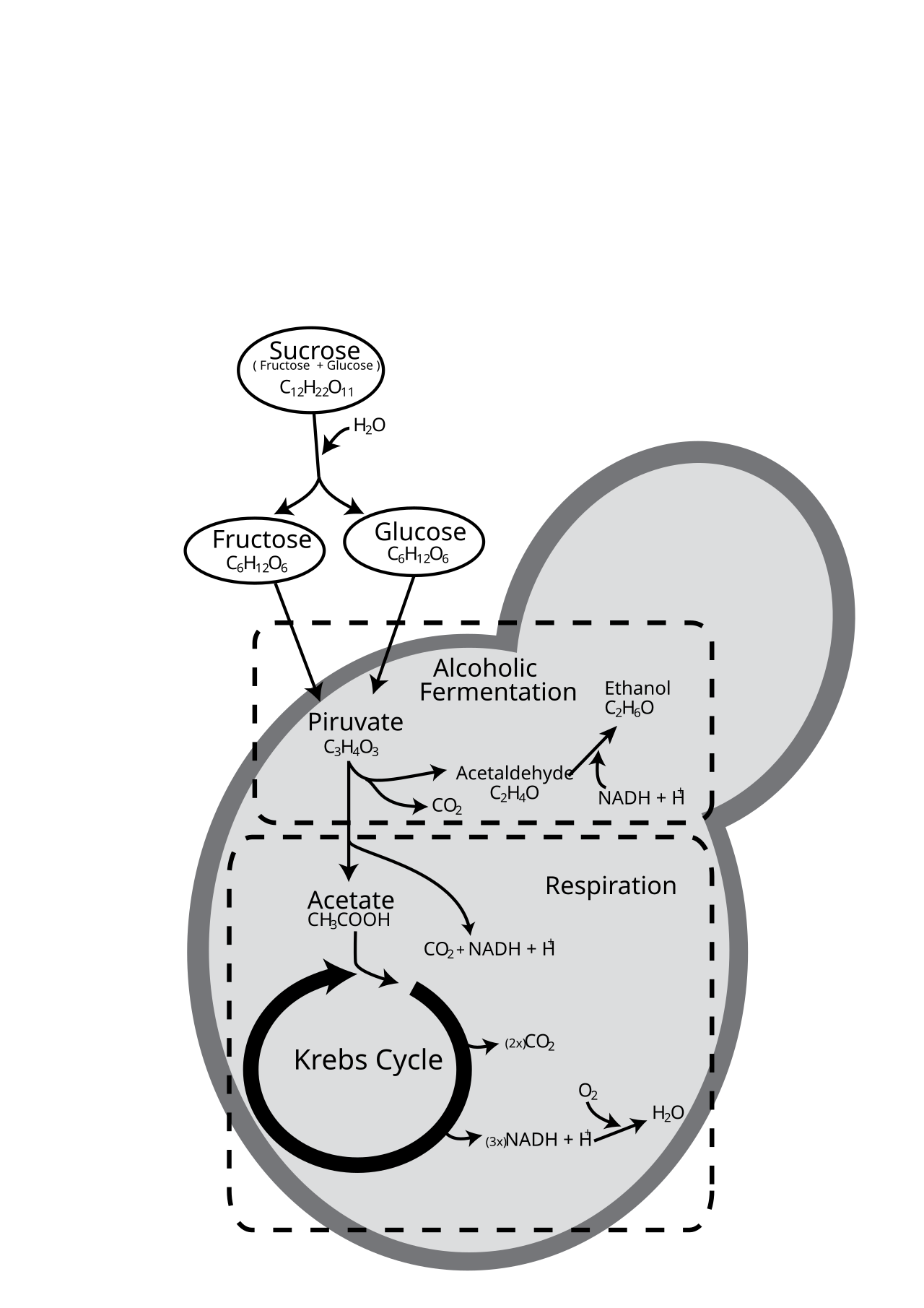
The Fermentation Process – Three Steps
- Anaerobic Conditions — Fermentation is a process that occurs in the absence of oxygen; cells use it as an alternative metabolic pathway to produce energy.
- Glucose breakdown (glycolysis) — Glucose is broken down into simpler molecules, releasing energy stored as ATP. NAD⁺ is regenerated from NADH during fermentation — this is essential for continued glycolysis.
- Final product formation—different products are formed depending on the type of fermentation (ethanol, lactic acid, hydrogen gas, or other acids)—detailed in the next two topics.
💡 Fermentation – in both prokaryotes and eukaryotes: Fermentation is a very ancient metabolic process found in both prokaryotes (bacteria) and eukaryotes (yeast, human muscle cells). The human body even temporarily resorts to lactic acid fermentation during intense exercise when muscles lack sufficient oxygen—this is why muscles feel stiff after intense exercise.
◆ Fermentation ◆ Louis Pasteur ◆ Zymology ◆ glycolysis ◆ NADH and NAD⁺
10 Types of Fermentation Part 1 – Alcoholic and Lactic Acid Fermentation
Alcoholic Fermentation
In this, sugar (glucose, fructose or sucrose) is decomposed by yeast or some bacteria under anaerobic conditions to form ethanol and carbon dioxide.
📐 Alcoholic Fermentation - Formula/Process: C₆H₁₂O₆ → 2C₂H₅OH + 2CO₂ + energy
Major microorganisms are yeasts.Saccharomyces cerevisiaeIn beer production, it converts the sugars in malted barley into ethanol and CO₂, with the CO₂ producing foam and the alcohol providing flavor. In wine production, the natural sugars in grapes are fermented, with temperature and time control producing different wines. Large-scale production of bioethanol from corn, sugarcane, or cellulosic biomass follows this principle (details in Topic 13).
Lactic Acid Fermentation
In this, pyruvate is converted into lactic acid by the enzyme lactate dehydrogenase, and NAD⁺ is regenerated from NADH. This process is found in muscles and bacteria such as Lactobacillus.
📐 Lactic Acid Fermentation — Formula/Process: Pyruvic acid (C₃H₄O₃) → Lactic acid (C₃H₆O₃)
| product | Microorganisms used | Speciality |
|---|---|---|
| Curd | lactic acid bacteria | Conversion of lactose into lactic acid, sour taste and thick texture |
| Sauerkraut | Leuconostoc, Lactobacillus, Pediococcus | From cabbage sugars; natural probiotic |
| Kefir | Bacteria + Yeast (Co-fermentation) | Fermented milk drink, mildly sour and probiotic |
When we run fast or lift heavy weights, our muscles don't get enough oxygen. Muscle cells temporarily resort to lactic acid fermentation—the buildup of lactic acid causes muscle burning and stiffness, which resolves spontaneously after a few hours.
◆ alcoholic fermentation ◆ Saccharomyces cerevisiae ◆ lactic acid fermentation ◆ Curd ◆ Sauerkraut ◆ Kefir
11 Types of Fermentation Part 2 – Acetic, Butyric and Mixed Acid Fermentation
Acetic Acid Fermentation
It is a two-step process—first, ethanol is formed from sugar, then, with the help of acetic acid bacteria (AAB), the ethanol is oxidized to form acetic acid. Note that, unlike the fermentation we studied earlier, this requires the presence of oxygen.
📐 Acetic Acid Fermentation — Formula/Process: C₂H₅OH + O₂ → CH₃COOH + H₂O
Its most prominent commercial use is in the manufacture of vinegar, which is used for food preservation and flavoring. Kombucha—a fermented tea beverage—contains SCOBY (Symbiotic Culture of Bacteria and Yeast), which develops its distinctive sour taste from the formation of acetic acid during secondary fermentation.
Butyric Acid Fermentation
In this, carbohydrates are broken down by butyric acid bacteria under anaerobic conditions to form butyric acid, CO₂, and hydrogen (H₂). This fermentation plays an important role in the digestive system of ruminants and is also responsible for the development of the distinctive odor and flavor of butter and cheese.
Mixed Acid Fermentation
In this Escherichia coliAs the bacteria convert pyruvate into various acids and gases—lactic, acetic, succinic, and formic acids—they also produce ethanol, hydrogen, and CO₂. This microorganism is important in both ecology and industrial microbiology—it is also used in the production of industrial solvents (such as acetone).
| Fermentation Types | Key microorganisms | Final Product |
|---|---|---|
| alcoholic | Saccharomyces cerevisiae | Ethanol + CO₂ |
| lactic acid | Lactobacillus etc. | lactic acid |
| acetic acid | Acetic Acid Bacteria | acetic acid |
| Butyric acid | butyric acid bacteria | Butyric acid + CO₂ + H₂ |
| Mixed acids | E. coli | Lactic, acetic, succinic, formic acids + ethanol |
Natural vinegar has been made in homes since ancient times by exposing apple or sugarcane juice to the open air—first, airborne yeast converts the sugars into alcohol (alcoholic fermentation), then acetic acid bacteria in the air convert that alcohol into vinegar (acetic acid fermentation)—a prime example of a two-step process.
◆ Acetic acid fermentation ◆ Vinegar ◆ Kombucha ◆ Butyric acid fermentation ◆ Mixed acid fermentation
12 Fermentation in dairy and bakery industries
The greatest daily use of fermentation technology is in the dairy and bakery industries, where safe and tasty products are produced on a large scale using precise species of microorganisms and under controlled conditions.
Fermentation in the dairy industry
| product | fermentative microorganisms | Process |
|---|---|---|
| Yogurt | Streptococcus thermophilus, Lactobacillus bulgaricus | coagulation by formation of lactic acid in milk |
| Butter | Lactococcus lactis | Incubates cream to desired acidity, then churns, washes, and adds salt. |
| cheese and buttermilk | Various lactic acid bacteria and butyric acid bacteria | The role of butyric acid fermentation in the characteristic odor and taste (see Topic 11) |
Fermentation in the bakery industry
Yeast in bread makingSaccharomyces cerevisiaeIt ferments the sugars in flour to produce ethanol and CO₂. Tiny bubbles of CO₂ gas are trapped in the dough and cause it to rise (called proofing), making the bread light, fluffy, and spongy after baking. This same yeast is also used in the beer and wine industries (see Topic 10)—showing how a single microorganism underpins so many diverse industries.
Fermented foods don't just enhance taste—they also improve digestion, boost beneficial gut bacteria (gut microbiota), help reduce lactose intolerance, and improve immunity—which is why fermented foods like yogurt and buttermilk have been an integral part of the Indian dietary tradition (see Chapter 7).
◆ Dairy fermentation ◆ Streptococcus thermophilus ◆ Lactococcus lactis ◆ Bakery Fermentation ◆ Proofing
13 Industrial Applications – Bioethanol and Factors Affecting Fermentation
Bioethanol — India's Green Energy Revolution
Large-scale production of bioethanol from sugarcane, maize, and cellulosic biomass through fermentation is today a focus of India's energy policy. The E20 (20% ethanol blending in petrol) target under India's Ethanol Blending Programme (EBP), originally set for 2030, was extended to 2025-26—and achieved ahead of schedule. E20 fuel has been made mandatory in all states and union territories across the country from April 1, 2026.
| Year | Ethanol blending percentage |
|---|---|
| 2013-14 | Less than 1.5% |
| 2022-23 | 12.06% |
| 2023-24 | 14.60% |
| 2024-25 (till February) | 17.98% |
| 2025-26 | 20% (E20 target achieved) |
This achievement demonstrates that fermentation technology is no longer limited to food – it has also become a fundamental pillar of India's energy security and carbon emission reduction strategy.
Other industrial applications
- Industrial solvent production – Production of solvents like ethanol, acetone by bacteria like E. coli (mixed acid fermentation).
- Bioplastic production – using butyric acid from agricultural waste to manufacture biodegradable plastics – important for green chemistry and sustainable development.
- Waste Management and Biogas – Under anaerobic conditions, methanogenic bacteria such as Methanobacterium decompose organic matter to produce methane (CH₄) gas, which is the basis of biogas production.
Major factors affecting the fermentation process
| Factor | Effect |
|---|---|
| Temperature | Regulates enzyme activity and microbial growth; enzymes are inactivated at high temperatures |
| pH | Affects enzyme activity and the state of the cell membrane; controlled by buffer systems |
| dissolved oxygen | Required for aerobic fermentation (such as acetic acid fermentation); maintained by constant aeration/stirring |
| Nutrient concentrations | Carbon-nitrogen ratio, salts and vitamins affect growth and product formation. |
For large-scale fermentation on an industrial scale, special large vessels—fermenters—are used, in which temperature, pH, and oxygen levels are constantly monitored by a computer-controlled system to ensure that the microorganisms operate at maximum efficiency.
◆ Bioethanol ◆ Ethanol Blending Programme (EBP) ◆ E20 ◆ Biogas ◆ Fermenter ◆ Factors affecting fermentation
14 Dairy Industry and Bio-Fertilizer Schemes of Rajasthan
Rajasthan is not only India's largest state by geographical area, but also among the country's leading milk producers—this directly connects to the dairy-fermentation topics of this chapter (12).
Rajasthan – second in the country in milk production
India is the world's largest milk producer and consumer—total production in 2024-25 was estimated at approximately 248-250 million tonnes. State-wise, Uttar Pradesh (38.8 million tonnes) ranks first, followed by Rajasthan (36.7 million tonnes)—and Rajasthan also ranks second in the country in per capita milk availability.
Rajasthan Cooperative Dairy Federation (RCDF) and Saras Brand
The Rajasthan Cooperative Dairy Federation (RCDF) is the backbone of the state's dairy industry, with the brand 'Saras' a household name in Rajasthan. Its processing plants in Jaipur, Bikaner, and Alwar together process over 2 million liters of milk per day, with new units planned for Udaipur and Kota by 2026. The state government has approved financial assistance of ₹1,500 crore to transform Saras from a regional to a national brand. RCDF's cooperative network currently comprises over 15,000 milk cooperatives, connecting approximately 800,000 milk producers.
A large portion of the milk produced by Saras Dairy is converted into fermented products such as yogurt, buttermilk, cheese, and butter—a process explained in detail in Topics 3 and 12 of this chapter. This means that the yogurt and buttermilk used daily in Rajasthani kitchens are, in fact, a direct result of microbiology.
Biofertilizer and Soil Health Schemes in Rajasthan
- Soil Health Card Scheme — This national scheme was launched on February 19, 2015, in Suratgarh, Rajasthan, a proud moment in the state's agricultural history. By July 2025, more than 250 million soil health cards had been distributed nationwide.
- Govardhan Organic Fertilizer Scheme – To promote the use of organic fertilizers in the state; under this scheme, 50,000 permanent vermicompost units are being constructed across Rajasthan to enable farmers to produce organic fertilizers locally, reducing costs and improving soil fertility.
- Special recommendations for the sandy soils of Rajasthan – compost addition, green manuring, minimum tillage and use of biofertilizers like rhizobacteria and mycorrhizae – to increase beneficial microbial activity and reduce dependence on chemical fertilizers.
The national launch of Soil Health Card Scheme was done from Suratgarh, Rajasthan – This fact is often asked in RAS exam, so remember it especially.
◆ Rajasthan milk production (second place) ◆ RCDF and Saras brand ◆ Soil Health Card Scheme – Suratgarh ◆ Govardhan Organic Fertilizer Scheme ◆ vermicompost
• There are six major types of microorganisms – viruses, bacteria, fungi, algae, protozoa and mycoplasma – of which viruses are considered the 'connecting link' between living and non-living things. • Beneficial microorganisms play a central role in the production of food items like curd, bread, idli-dosa, and modern medicines like life-saving antibiotics like penicillin and statins and cyclosporine. • Microorganisms like Rhizobium, Azotobacter and Cyanobacteria increase soil fertility by biological nitrogen fixation, while biopesticides like Bt, Trichoderma and Baculovirus are eco-friendly alternatives to chemical pesticides. • Harmful microorganisms cause human disease, food poisoning and plant diseases – sanitation, vaccination and proper storage are the main measures to prevent them. • Fungi and algae have enormous economic importance – from 'complete foods' like Spirulina to industrial products like agar-agar, although excessive growth can also cause harm such as 'water blooms'. • Fermentation—an anaerobic biochemical process scientifically established by Louis Pasteur—has five major types: alcoholic, lactic acid, acetic acid, butyric acid, and mixed acid fermentation. • The dairy industry (yogurt, butter, cheese) and bakery industry (bread) are the most widespread daily applications of fermentation technology, which also benefits digestive health. • Fermentation technology is also the cornerstone of India's green energy policy today – the E20 target under the ethanol blending programme was achieved ahead of schedule in 2025-26. • Rajasthan ranks second in the country in milk production (RCDF/Saras brand), and initiatives like Soil Health Card Scheme (national launch from Suratgarh) and Govardhan Organic Fertilizer Scheme are promoting the use of biofertilizers in the state.