- Disease classification and introduction to infectious diseases – modes of transmission
- Bacterial diseases – tuberculosis, cholera, tetanus, leprosy, typhoid, etc.
- Viral Diseases Part 1 – Influenza, Hepatitis, Rabies, Polio, Smallpox
- Viral Diseases Part 2 — Dengue, Chikungunya, Zika, COVID-19, HIV/AIDS
- Parasitic/protozoan borne diseases — malaria, black-azar, amoebiasis
- Worm and fungal diseases – filariasis, ringworm, black fungus
- Zoonotic diseases and environmental pollutant-borne diseases
- Non-communicable diseases — heart disease, hypertension
- Diabetes and cancer
- Genetic diseases — Down syndrome, thalassemia, sickle-cell anemia, hemophilia
- Mental health and related programs
- National Health Mission and major disease control programmes
- Ayushman Bharat — PM-JAY, Ayushman Arogya Mandir, Digital Mission
- Public Health Schemes of Rajasthan
In 1854, a cholera epidemic swept through London's Soho neighborhood—hundreds were dying, but no one could understand the cause. Dr. John Snow marked each death on a map and discovered that all deaths were occurring around a single public hand pump. He removed the pump's handle, and the epidemic subsided. This incident is considered the foundation of modern epidemiology and public health. Today, 150 years later, the same principle applies—understand the disease, identify its source, and save society. Hundreds of programs are running in India based on this principle, from destroying dengue larvae to massive health insurance schemes like Ayushman Bharat. Let's explore the world of infectious and non-communicable diseases and understand the public health systems of India and Rajasthan in detail.
1 Disease classification and introduction to infectious diseases – modes of transmission
According to the World Health Organization (WHO), "Health is not merely the absence of disease, but a state of complete physical, mental and social well-being." This broad definition begins our understanding of disease—when this balance is disrupted at any level of the body, disease occurs.
Classification of diseases
Diseases are first classified as congenital (present from birth) and acquired (acquired – occurring during life). Acquired diseases are further divided into two broad categories—communicable diseases, which are caused by pathogens and can spread from one person to another; and non-communicable diseases (NCDs), which are not contagious but are related to lifestyle, genetics, or the environment.
Transmission of infectious diseases—which disease through which medium?
Infectious diseases are caused by pathogens like viruses, bacteria, fungi, protozoa etc. and are spread through direct contact, air, contaminated food and water, sexual contact or vectors like mosquitoes and flies.
| transmission medium | Major diseases |
|---|---|
| Direct Contact | Ringworm, conjunctivitis, smallpox, chickenpox, leprosy |
| Female Anopheles mosquito | malaria |
| Female Culex mosquito | Filariasis (elephantiasis), Japanese encephalitis |
| Female Aedes aegypti mosquito | Dengue, Chikungunya, Zika, Yellow Fever |
| Sandfly | Black disease |
| housefly | dysentery, cholera, typhoid |
| Fleas | plague |
| sexual intercourse | AIDS, hepatitis B-C-D, syphilis, gonorrhea |
| Contaminated water/food | Polio, dysentery, typhoid, hepatitis A-E, cholera |
💡 Why is only the female mosquito the vector of disease?: Male mosquitoes are not usually vectors, as they feed only on plant and fruit juices. Female mosquitoes, in need of extra protein for ovulation, feed on human blood—in the process, they pick up pathogens from infected blood and transmit them to the next person.
◆ Disease ◆ congenital and acquired diseases ◆ Communicable Disease ◆ Non-communicable diseases (NCDs) ◆ Pathogens ◆ Vectors
2 Bacterial diseases – tuberculosis, cholera, tetanus, leprosy, typhoid etc.
Bacteria are single-celled microorganisms that enter the body and cause disease by secreting toxins or directly damaging tissues. Bacterial diseases—especially tuberculosis—remain one of the greatest public health challenges in India today.
Tuberculosis
Causative organism: Mycobacterium tuberculosis (Mycobacterium tuberculosis) — It mainly affects the lungs, but can also infect other organs such as bones and brain (extra-pulmonary TB).
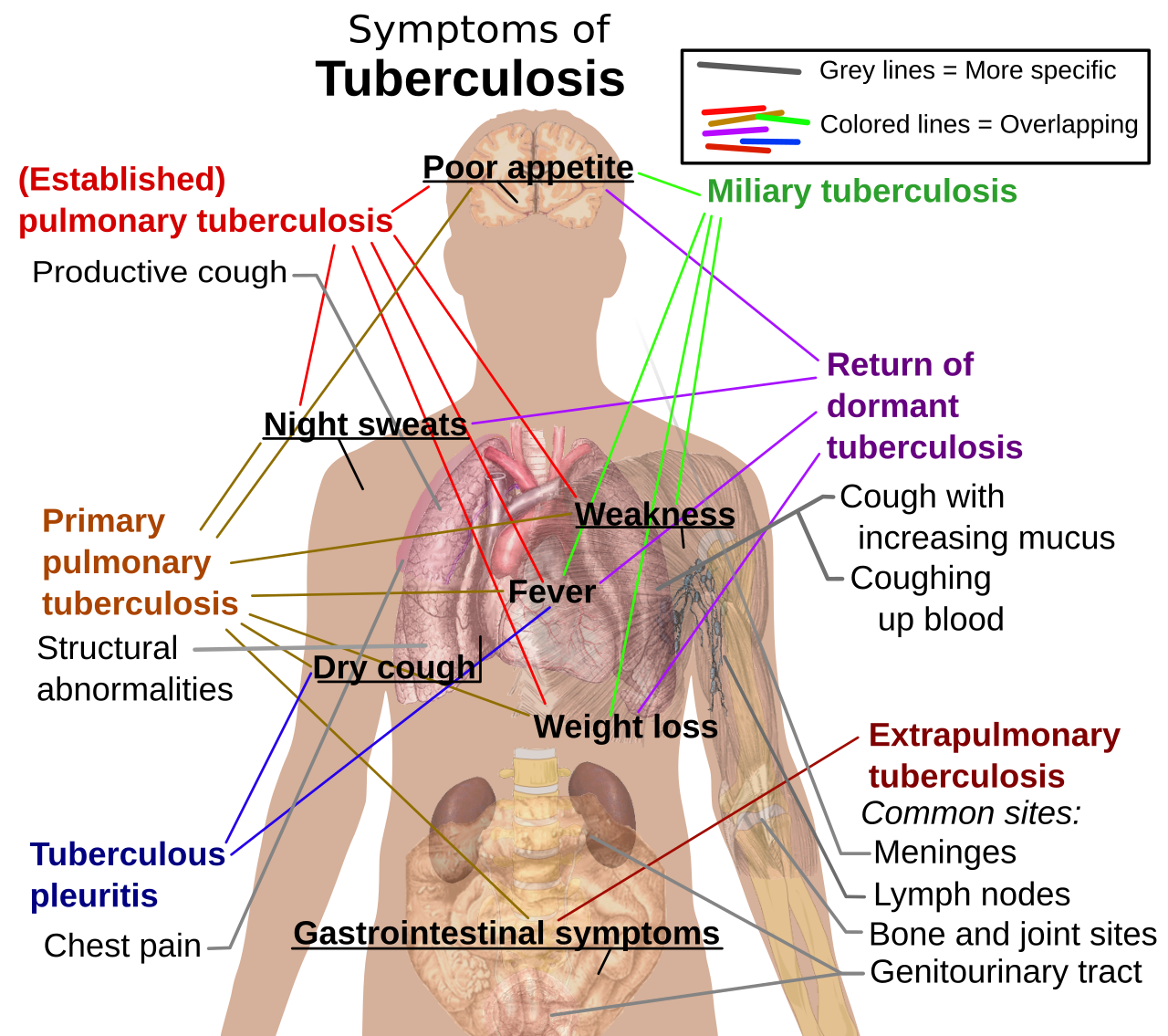
Symptoms: Persistent cough (more than 2 weeks), fever (especially in the evening), significant weight loss, weakness, loss of appetite, and blood in the sputum. Transmission is primarily airborne (through coughing and sneezing); zoonotic TB can also occur through the consumption of milk from infected animals. Drug-resistant forms such as MDR-TB (Multi-Drug Resistant) and XDR-TB (Extensively Drug Resistant) pose a major challenge today.
🖼️ Symptoms of Tuberculosis – Effects on various parts of the body
Diagnosis: Chest X-ray, Sputum Culture, NAAT (Nucleic Acid Amplification Test). Prevention and Treatment: BCG vaccination is mandatory at birth; complete treatment is provided under regular monitoring under the DOTS (Directly Observed Treatment, Short-course) strategy. India's target was to eliminate TB by 2025—this target has not been fully achieved, but significant progress has been made: according to the WHO 2025 report, treatment coverage increased from 53% in 2015 to 92% in 2024, and mortality rates decreased by approximately 28% between 2015 and 2024.
Other major bacterial diseases
| Disease | Causative bacteria | Key Characteristics |
|---|---|---|
| Cholera/Pox (Cholera) | Vibrio cholerae (Vibrio cholerae) | Sudden vomiting and diarrhea, severe dehydration; ORS is the most effective first aid. |
| Tetanus | Clostridium tetani (Clostridium tetani) | Severe spasms, lockjaw; contact of soil/dung with the wound |
| Leprosy | Mycobacterium leprae (Mycobacterium leprae) | Skin and nerve involvement; symptoms appear 1–7 years after infection; completely treatable with multi-drug therapy (MDT) |
| Typhoid | Salmonella typhi (Salmonella typhi) | High fever of 103-105°F, abdominal pain; from contaminated food or water; diagnosed with the Widal test |
| Diphtheria | Corynebacterium diphtheriae | Throat-tonsil toxicity; protection from DPT/pentavalent vaccine |
| Plague | Yersinia pestis (Yersinia pestis) | Transmission by rats and fleas; lymph nodes and lungs affected; treatment with streptomycin |
TB elimination in Rajasthan – using AI technology
An AI-based solution for tuberculosis elimination in Rajasthan was launched in collaboration with Wadhwani AI in Jaipur on September 19, 2025. Initially piloted in the Kota division (Kota, Bundi, Baran, Jhalawar), the technology is now being implemented in all 41 districts of the state—showing that traditional disease control is now being integrated with modern technology.
💡 DOTS Strategy – From Monitoring to Treatment: In DOTS (Directly Observed Treatment, Short-course), the patient is given medication under the direct supervision of a health worker, so that treatment is not interrupted – because leaving TB treatment incomplete can lead to dangerous drug-resistant forms like MDR-TB.
◆ Tuberculosis ◆ DOTS Strategy ◆ MDR-TB ◆ Cholera ◆ tetanus ◆ leprosy ◆ Typhoid
3 Viral Diseases Part-1 – Influenza, Hepatitis, Rabies, Polio, Smallpox
Viruses are microscopic pathogens, even smaller than bacteria, that remain dormant outside a living cell but, upon entering, rapidly replicate by using the cell's machinery. This is why there is no direct cure for most viral diseases—prevention and vaccination are the most effective solutions.
Rabies – hydrophobia
The rabies virus enters the body through bites or scratches from the saliva of rabid dogs, cats, and monkeys. It is also known as hydrophobia because the patient experiences severe throat cramps when drinking water. The first rabies vaccine in history was developed by Louis Pasteur in 1885 – at that time, 14 painful injections into the abdomen were required; the modern Merieux human diploid cell vaccine now requires only 3 injections into the arm.
Hepatitis/Hepatitis
The most common viruses that affect the liver are hepatitis A and hepatitis B. Hepatitis B was discovered in 1965 by Dr. Blumberg (who won the Nobel Prize in 1977) – it is also known as the "Australian antigen."
| 🟡 Hepatitis A (HAV) | 🔴 Hepatitis B (HBV) |
|---|---|
| ◆ RNA viruses ◆ Transmission – contaminated food/water (common jaundice) ◆ Both children and adults are affected ◆ effective vaccine available | ◆ DNA virus – considered more dangerous than HIV ◆ Transmission – infected blood, needles, unprotected sex ◆ can cause liver cancer ◆ Effective vaccine available (there is no vaccine for hepatitis C) |
Polio – A major success for India
The polio virus primarily attacks the nervous system of children, causing permanent disability. It is spread through contaminated water and food. India was officially declared polio-free on March 27, 2014—one of the greatest achievements in India's public health history, made possible by the Pulse Polio Program and continuous vaccination campaigns.
| Speciality | OPV (Oral) | IPV (injection) |
|---|---|---|
| Searcher | Albert Sabin (1955) | Jonas Salk (1952) |
| Type | Live Attenuated | Inactivated |
| Security | Local immunity in the intestines | antibodies in the blood |
Smallpox – the first disease eradicated from the world
Variola virus (Smallpox virusSmallpox, caused by the smallpox virus (V. falciparum), was highly contagious and deadly. It was eradicated by worldwide vaccination campaigns in 1980—considered the greatest vaccination success in human history. Interestingly, the world's first vaccine was also developed by Edward Jenner for this disease in 1796 (see Chapter 7, Topic 13).
Influenza/Flu
There are three types of influenza viruses—type A (most severe, affecting both humans and animals, pandemic potential—e.g., H1N1 swine flu, H5N1 bird flu), type B (humans only, local outbreaks), and type C (very mild). Tamiflu (oseltamivir) is an effective antiviral medication.
Even after polio-eradication, India did not let up its guard – including IPV in the routine immunization program was a strategic move to ensure children remained protected even in the event of a re-introduction of the virus from neighboring countries.
◆ Rabies ◆ Hepatitis A and B ◆ Polio — India polio-free (2014) ◆ OPV व IPV ◆ Smallpox — eradication 1980 ◆ Influenza
4 Viral Diseases Part 2 — Dengue, Chikungunya, Zika, COVID-19, HIV/AIDS
Dengue – break-bone fever
Dengue, also known as "Breakbone Fever," causes joint and muscle pain so intense it feels like a bone is breaking. It's spread by the female Aedes aegypti mosquito (which bites during the day and breeds in clean, stagnant water). Symptoms: Sudden high fever, severe pain in the joints and behind the eyes, rapid drop in platelets, and bleeding in severe cases.
India recently approved Takeda's TAK-003 (Qdenga) tetravalent dengue vaccine—India's first dengue vaccine. The Wolbachia approach—a natural bacteria-based technology injected into mosquitoes—prevents dengue and Zika viruses from reproducing in mosquitoes and also controls mosquito populations.
Chikungunya and Zika
- Chikungunya — name meaning 'that which bends', because severe joint pain causes patients to walk bent over; transmitted by Aedes mosquitoes.
- Zika fever — transmitted by Aedes mosquitoes, as well as from pregnant mother to fetus; serious risk of microcephaly (small brain) in the fetus.
COVID-19
The pandemic, caused by the SARS-CoV-2 virus, began in Wuhan, China, in December 2019. India has developed two major indigenous/partnered vaccines—Covaxin (an inactivated vaccine developed by Bharat Biotech and ICMR) and Covishield (a viral vector technology developed by the Serum Institute). India has administered over 2.2 billion vaccine doses—the world's fastest and largest vaccination drive.
Acquired immunodeficiency syndrome (AIDS/HIV)
HIV (Human Immunodeficiency Virus) is a retrovirus whose genetic material is RNA and, with the help of the enzyme reverse transcriptase, it creates DNA from RNA. It directly attacks helper T-cells (CD4+ cells) (see Chapter 7, Topic 14), gradually destroying the body's immune system.
Transmission: Unprotected sexual contact, infected blood, sharing of infected needles, from an infected mother to her child — it is not spread by shaking hands, eating together, sneezing, or mosquito bites. Diagnosis: ELISA (preliminary test), Western Blot (confirmatory), CD4 count test. NACO (National AIDS Control Organization) was established in India in 1992; India's first case was reported in Chennai in 1986; World AIDS Day is observed annually on 1 December.
Many misconceptions about HIV/AIDS still persist in society, leading to discrimination against those infected. Only accurate scientific information and a compassionate approach can eliminate this discrimination.
◆ Dengue and Wolbachia system ◆ Chikungunya ◆ Zika – Microcephaly ◆ COVID-19 — Covaxin and Covishield ◆ HIV/AIDS ◆ NACO
5 Parasite/Protozoa Borne Diseases — Malaria, Kala-azar, Amoebiasis
Malaria
Malaria is caused by protozoan parasites of the genus Plasmodium, which has four major species: Plasmodium vivax (the most common), Plasmodium falciparum (the most deadly), Plasmodium malariae, and Plasmodium ovale. Its vector is the female Anopheles mosquito.
🖼️ The life cycle of the malaria parasite—from mosquito to human body
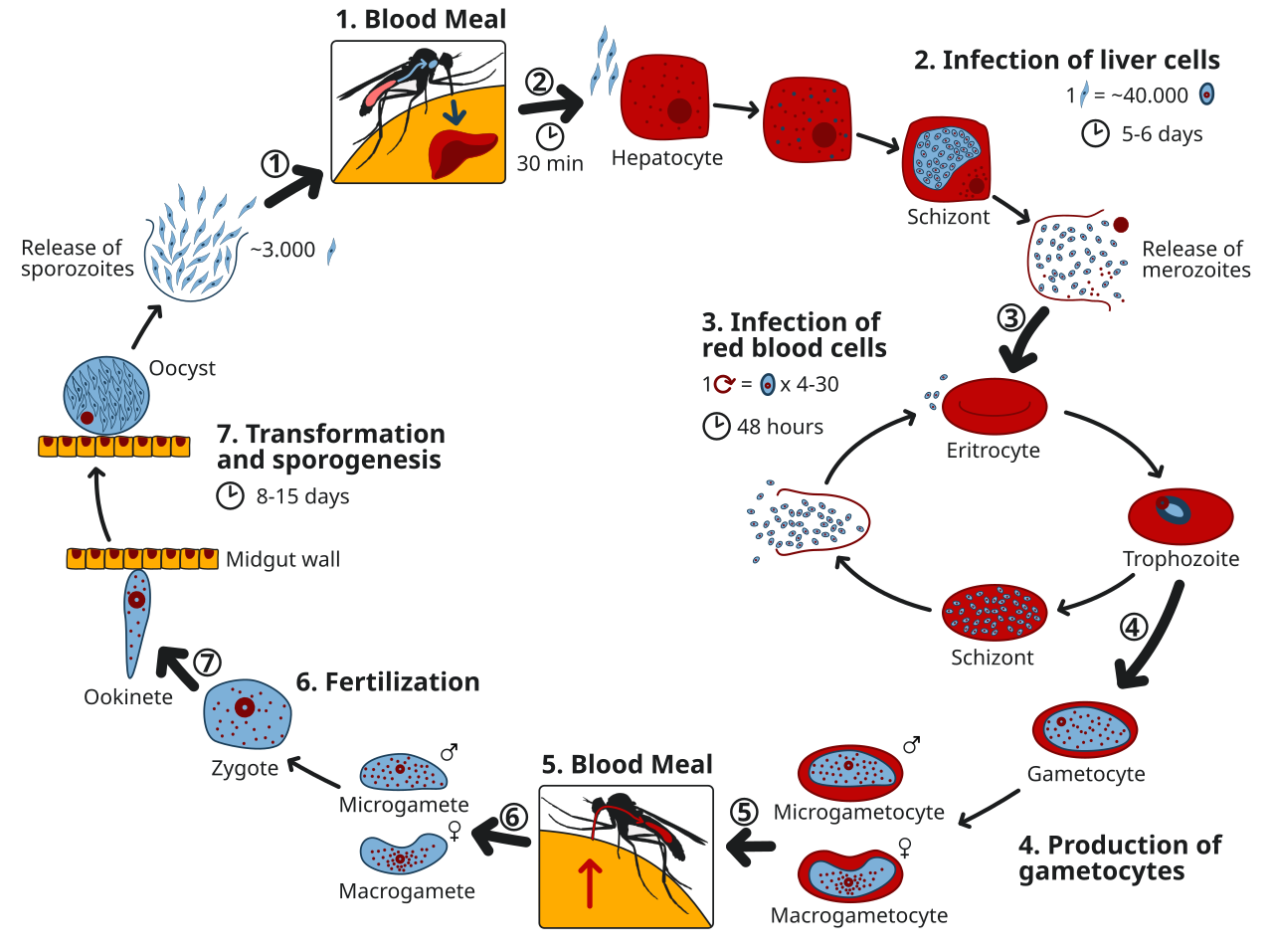
Malaria is a dual host parasite – it reproduces sexually in the female Anopheles mosquito (primary host), while asexual reproduction occurs in the human body (secondary host). The sequence in the human body is as follows: sporozoite enters the blood through the bite of an infected mosquito → multiplies in the liver → attacks and divides red blood cells (RBCs) → ruptures the RBCs, releasing a substance called haemozoin – this substance is the cause of the characteristic symptoms of malaria (high fever with chills, fluctuating at regular intervals).
Malaria control measures
| Category | remedy |
|---|---|
| medicines | Quinine, artemisinin-based combination therapy (ACT) |
| water management | Drain stagnant water – mosquitoes lay eggs in stagnant water |
| insecticide | DDT, Gamexene spray, mosquito nets (especially insecticide-containing ones) |
| biological control | Larvivorous fishes – Gambusia, Minnow |
| Criticism | India's first indigenous malaria vaccine – AdFalciVax; global vaccines – RTS,S/AS01 and R21/Matrix-M |
India's National Malaria Elimination Framework (2016-2030) targets zero indigenous cases by 2027—three years ahead of the global 2030 target. Progress has been encouraging—malaria cases are expected to fall from 1,169,261 in 2015 to 227,564 in 2023, a reduction of nearly 80%.
Leishmaniasis
Also known as 'Dumdum fever', this disease is caused by Leishmania donovani (Leishmania donovaniIt is caused by a flagellated parasite called sandfly (Phlebotomus) is characterized by abnormal enlargement of the spleen and liver (splenomegaly), darkening of the skin, persistent fever, and excessive weight loss.
Amoebiasis
Entamoeba histolytica (Entamoeba histolyticaAmoebic dysentery, caused by a parasite called , is spread through contaminated water, food, and houseflies. It causes small ulcers to form in the intestinal wall, abdominal cramps, and diarrhea, along with mucus and blood in the stool. Treatment is with metronidazole.
Malaria has historically been a major challenge in the desert and southern tribal districts of Rajasthan. Under the National Vector-Borne Disease Control Program, regular insecticide spraying, mosquito net distribution, and community awareness campaigns are conducted in the state, as detailed in Topic 12.
◆ Malaria ◆ Plasmodium ◆ Anopheles mosquito ◆ Hemozoin ◆ Black disease/leishmaniasis ◆ amebiasis
6 Worm and fungal diseases – filariasis, ringworm, black fungus
Helminthic Diseases
Filariasis – Wuchereria bancrofti (Wuchereria bancroftiThis disease, caused by a worm called ), is spread by female Culex mosquitoes. It blocks the lymphatic system, causing abnormal swelling (like an elephant's leg) in the legs and other body parts. Treatment: DEC (Diethylcarbamazine) and albendazole.
| worm disease | Factor | Speciality |
|---|---|---|
| Ascariasis | Ascaris lumbricoides (roundworm) | The most common intestinal worm disease |
| Taeniasis | Taenius solium/saginata (tapeworm) | Raw/undercooked meat; anemia and neurological problems |
| hookworm infection | hookworm | Causes anemia due to barefoot contact with soil |
| Guinea worm disease (Naru) | Dracunculus medinensis | Completely eradicated from India (programme started in 6th Five Year Plan) |
Fungal Diseases
Fungal diseases usually affect the skin, but they can be serious and even life-threatening in people with weakened immune systems. Common fungal diseases include ringworm, washer's itch (Legworm), athlete's foot included.
Black fungus/mucormycosis, in the news during the COVID-19 pandemic, is caused by fungi of the Mucorales group (Rhizopus, Mucor), which affect the nose, eyes, and brain. Furthermore, Candida auris has been declared a Critical Priority Fungal Pathogen by the WHO, and Trichophyton indotineae, a drug-resistant skin fungus, has been identified for the first time in India, causing severe and chronic ringworm infections.
💡 Preventing Worm Diseases – Simple Habits: Wearing shoes (to prevent hookworms), washing hands before eating, thoroughly cooking meat, and regularly taking deworming medication like albendazole (given twice a year in government schools)—all these simple measures are extremely effective in preventing worm diseases.
◆ Filariasis/Elephantiasis ◆ Ascariasis ◆ Tinea versicolor ◆ fungal diseases ◆ Black Fungus/Mucormycosis ◆ White ear
7 Zoonotic diseases and diseases caused by environmental pollutants
The word 'Zoonosis' is derived from the Greek words 'Zoon' (animal) and 'Nosos' (disease) - meaning zoonotic diseases are infectious diseases that spread from animals to humans, or from humans to animals.
Classification based on the direction of transmission
| 🐾 Anthropozoonosis (animal → human) | 👤 zooanthroponosis (humans → animals) |
|---|---|
| ◆ Also called 'classical zoonosis' ◆ Examples – rabies, anthrax, brucellosis, Nipah virus | ◆ Also called 'reverse zoonosis' ◆ Examples – COVID-19, Influenza, TB |
Classification based on the pathogen
| Type | Factor | Example |
|---|---|---|
| Viral zoonosis | virus | Rabies, Nipah, Bird Flu, Japanese Encephalitis |
| Bacterial zoonosis | bacteria | Anthrax, brucellosis, plague |
| Parasitic zoonosis | Protozoa/Worms | toxoplasmosis |
| Fungal zoonosis | Fungus | Ringworm |
Diseases caused by environmental pollutants
Due to increasing industrialization and pollution, some heavy metals and chemicals get mixed in drinking water and food and cause specific diseases – these are called pollutant-induced diseases.
| pollutants | Disease | main effect |
|---|---|---|
| Arsenic (As) | Blackfoot disease | Darkening of the skin, blockage of blood vessels, gangrene |
| Lead (Pb) | Plumbism | Nervous system affected; IQ decline in children |
| Mercury (Hg) | Minamata disease | Direct effect on the nervous system; muscle weakness |
| Cadmium (Cd) | Itai-Itai disease | Weak bones, kidney failure may occur |
| Fluoride | Fluorosis | Teeth and bones are affected; danger if drinking water standards exceed 1.5 mg/L |
| nitrate | Blue Baby Syndrome | The oxygen capacity of hemoglobin decreases, causing the baby to turn blue. |
💡 Fluorosis in Rajasthan – A Serious Challenge: Rajasthan's groundwater naturally contains high levels of fluoride, especially in the desert and southern districts. The National Programme for Control and Prevention of Fluorosis (NPPCF), implemented in the state since October 3, 2019, is currently operational in 30 districts – a total of 1,020 villages in the state have been identified as fluoride-affected, according to the Ministry of Jal Shakti's report (2025-26).
◆ Zoonotic Diseases ◆ Anthropozoonosis ◆ pollutant-borne diseases ◆ Fluorosis ◆ Minamata disease ◆ Itai-Itai disease
8 Non-communicable diseases — heart disease, hypertension
Non-Communicable Diseases (NCDs) are not spread from person to person but are caused by long-term effects of lifestyle, genetics, and the environment. Today, NCDs have become the leading cause of death worldwide, including India—especially heart disease, diabetes, and cancer.
High blood pressure/hypertension
The pressure exerted by blood on the walls of the arteries of the human body is called blood pressure. Normal blood pressure is considered to be 120/80 mmHg—120 being systolic pressure (when the heart contracts) and 80 being diastolic pressure (when the heart expands). When this pressure remains consistently above the normal range, it is called hypertension.
🖼️ Principle of Blood Pressure Measurement – By Sphygmomanometer
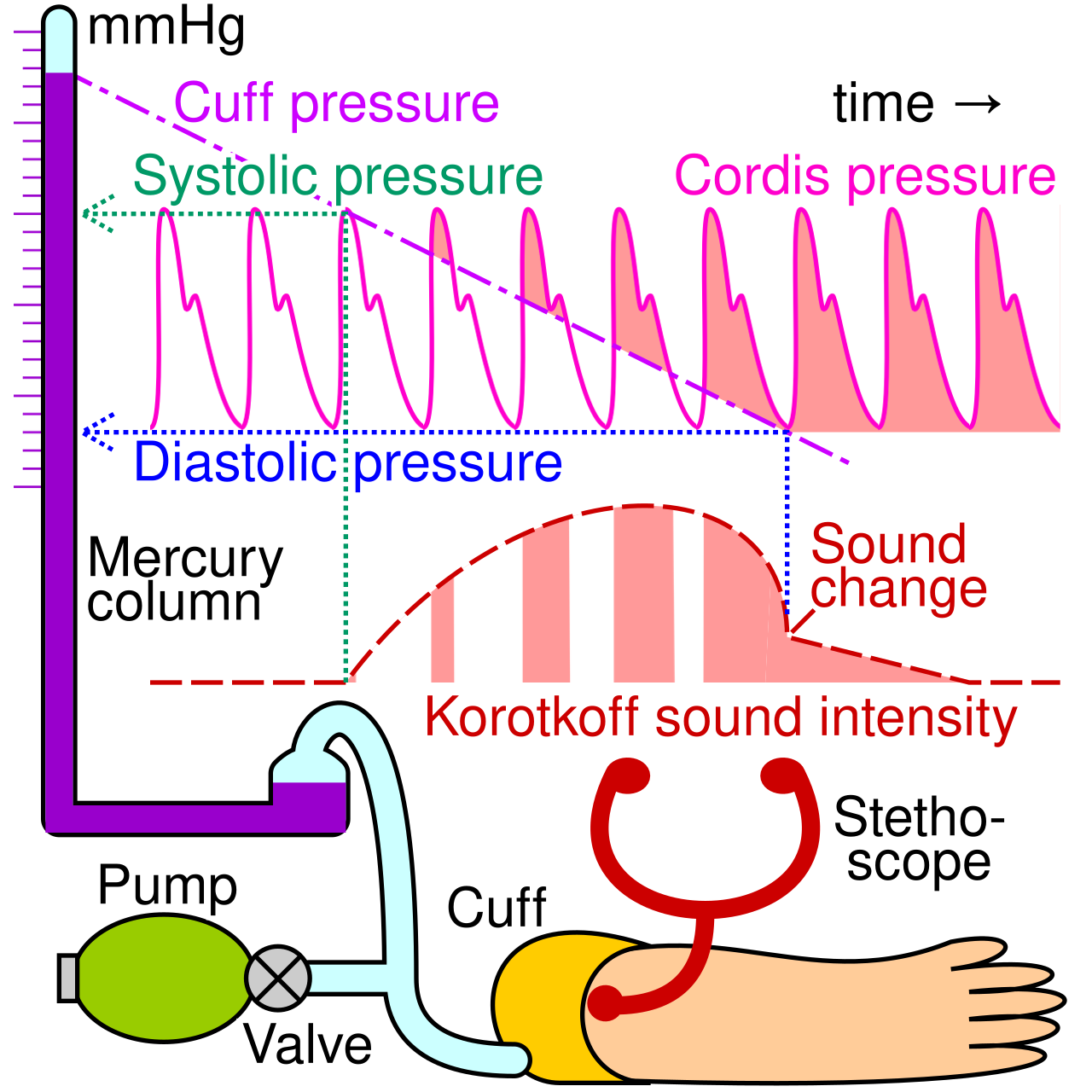
Persistently elevated blood pressure hardens and narrows the arteries, requiring the heart to exert more force. If uncontrolled, it can lead to serious consequences such as heart failure, brain stroke, and kidney damage. The instrument used to measure this is called a sphygmomanometer.
Myocardial Infarction
A myocardial infarction occurs when the coronary arteries, which supply blood to the heart muscle, suddenly become blocked. Two major mechanisms contribute to this: atherosclerosis (the formation of plaque in the arteries due to the accumulation of fat and cholesterol) and thrombus formation (a blood clot that completely blocks an artery). Symptoms: Severe chest pain (radiating to the shoulder, left arm, and jaw), severe nausea, excessive sweating, and severe shortness of breath.
Risk factors – interconnectedness of lifestyle diseases
Major risk factors for heart disease and high blood pressure include diabetes, excessive mental stress, obesity, smoking, and high fatty foods. This shows that most lifestyle diseases are deeply interconnected – one risk factor can lead to multiple diseases.
💡 Prime Minister's Independence Day Address (15 August 2025): In his address, the Prime Minister proposed a new model of "preventive health economics"—including suggestions such as the fight against obesity and a 10% reduction in cooking oil consumption. The argument is that small lifestyle changes at the individual level can significantly reduce the national disease burden.
◆ Non-communicable diseases (NCDs) ◆ Hypertension ◆ sphygmomanometer ◆ myocardial infarction ◆ atherosclerosis ◆ Preventive Health Economics
9 Diabetes and cancer
Diabetes Mellitus
Diabetes is a chronic disease in which blood glucose (sugar) levels become abnormally high. This is due to a lack of or impaired insulin production—a hormone secreted by the beta cells of the pancreas that transports glucose from the blood into cells and converts it into energy.
| 1️⃣ Type-1 diabetes | 2️⃣ Type-2 diabetes |
|---|---|
| ◆ The body does not make enough insulin ◆ generally in children and young people ◆ Weight loss, risk of diabetic ketoacidosis ◆ Lifelong insulin injections required | ◆ Cells become insensitive to insulin (insulin resistance) ◆ Usually over 40 years of age ◆ It is also growing rapidly among the youth today. ◆ Control possible through diet, exercise and medicines |
Note: Diabetes insipidus is not related to high blood sugar (diabetes mellitus); it is a rare condition in which a deficiency of antidiuretic hormone (ADH) causes the body to retain water and produce excessive amounts of dilute urine.
Cancer
Cancer is a disease in which normal cells lose control over their growth and division and divide uncontrollably to form abnormal cells (neoplasms). The genes responsible for cancer are called oncogenes.
| 🟢 Benign tumor | Malignant tumor |
|---|---|
| ◆ confined to the place of origin ◆ does not spread to other parts of the body ◆ Relatively less harmful | ◆ grows rapidly ◆ destroys surrounding tissue ◆ Metastasis — spread to other parts of the body through the blood/lymph (the most dangerous trait) |
Carcinogenic Agents
| Physical factors | Chemical factors | Biological factors |
|---|---|---|
| X-rays, UV-rays, radioactive radiation | Nicotine, a polycyclic hydrocarbon | Some DNA viruses (HPV, EBV), retroviruses |
Symptoms: Non-healing sores, abnormal bleeding, breast or body lumps, persistent cough or voice changes, difficulty swallowing. Treatment methods: Chemotherapy, surgery, radiotherapy, immunotherapy, and brachytherapy (internal radiation therapy).
India's latest cancer achievements
- NexCAR19 — India's first CAR-T cell therapy (developed by IIT Bombay, Tata Memorial and ImmunoAct) for the treatment of blood cancer.
- HPV Vaccination Programme – Free nationwide vaccination drive to prevent cervical cancer.
- Budget 2026-27 has given 100% customs duty exemption on 17 cancer medicines, which will make the treatment cheaper.
💡 Why is regular checkup necessary after 30 years?: The NPCDCS (National Cancer-Diabetes-Cardiovascular Disease Control Program, detail in Topic 12) recommends regular screening for all individuals aged 30 and older for diabetes, hypertension, oral cancer, breast cancer, and cervical cancer. Early detection increases the success rate of treatment manifold.
◆ Diabetes Mellitus ◆ Type-1 and Type-2 diabetes ◆ Cancer ◆ metastasis ◆ oncogene ◆ NexCAR19
10 Genetic diseases – Down syndrome, thalassemia, sickle-cell anemia, hemophilia
Genetic diseases are caused when there is a change in the number or structure of genes or chromosomes. These fall into two broad categories: chromosomal aberrations (disorders in the number/structure of chromosomes) and gene mutations (changes in a specific gene).
Down Syndrome — Trisomy of chromosome number 21
Down syndrome, also known as 'Mongolism', is the most common chromosomal disorder in which three copies of chromosome 21 (instead of the normal two) are found – this is called Trisomy 21.
🖼️ Karyotype of Down syndrome (Trisomy 21) — three copies of chromosome 21
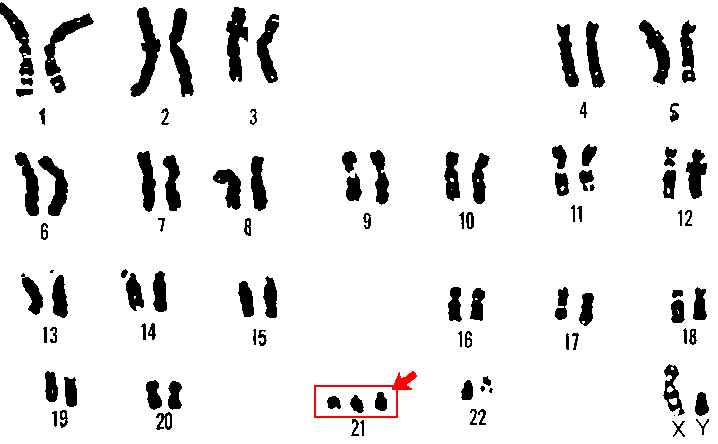
Symptoms: Flat face, broad forehead, slanted eyes (Epicanthal fold), short neck, a single distinct line on the palm (Simian crease), learning difficulties. There are also other trisomy disorders—Patau syndrome (Trisomy 13, cleft lip and palate, extra fingers) and Edwards syndrome (Trisomy 18, very low weight, short life expectancy).
Sex chromosome disorders
| Syndrome | Chromosome structure | Key symptoms |
|---|---|---|
| Turner syndrome | 44+XO (total 45), only in women | Infertility, short stature, excess skin on the neck |
| Klinefelter syndrome | 44+XXY (total 47), only in males | Infertility, tall height, low testosterone |
Diseases caused by gene mutations
Sickle-cell anemia — caused by a point mutation on chromosome 11, in which glutamic acid is replaced by valine at the sixth position of the beta-globin chain. Sickle cells die within 10–20 days (normal red blood cells live 120 days).
| Disease | inheritance pattern | Key symptoms |
|---|---|---|
| Hemophilia | Sex-linked Recessive | Blood clotting problems; Factor VIII/IX deficiency |
| Color Blindness | X-linked recessive | Difficulty distinguishing between red and green colors |
| Thalassemia | autosomal recessive | Impaired hemoglobin production; regular blood transfusions required |
| cystic fibrosis | autosomal recessive | Thick mucus buildup in the lungs |
Government Initiatives – For Genetic and Rare Diseases
- National Mission for Elimination of Sickle Cell Anemia — launched on July 1, 2023; goal to eliminate sickle cell disease as a public health problem by 2047.
- National Policy on Rare Diseases (NPRD), 2021 — Assistance up to ₹50 lakh to eligible patients; Centres of Excellence being increased from 8 to 15.
- Thalassemia Kutumb Yojana — launched on September 17, 2025; an organization adopts a thalassemia-affected child and ensures annual blood donation of 15-20 units.
- Chief Minister Ayushman Bal Subal Yojana (Rajasthan) — Free treatment up to ₹50 lakh + ₹5,000 monthly care assistance for children with rare diseases up to 18 years of age; Special Centre of Excellence at J.K. Lon Hospital, Jaipur.
BIRSA-101—India's first indigenous CRISPR-based gene therapy—has been developed to treat sickle cell disease. This demonstrates that treatment of genetic diseases is now becoming possible at the root (gene level), not just by symptom management.
◆ genetic disease ◆ Down syndrome (Trisomy 21) ◆ Turner and Klinefelter syndrome ◆ Sickle-cell anemia ◆ Thalassemia ◆ Hemophilia
11 Mental health and related programmes
A mental disorder is a condition characterized by abnormalities in a person's behavior, thinking, or emotions, typically causing distress, disability, or interfering with social functioning. Mental health should be considered as important as physical health—this is a fundamental principle of modern medical science.
Major mental/neurological disorders
| Disorder | Key Features |
|---|---|
| Alzheimer's Disease | Common over age 65; memory loss due to abnormal protein deposits in the brain; most common type of dementia |
| Schizophrenia | Delusions-hallucinations (positive symptoms), lack of emotion-social isolation (negative symptoms) |
| Dyslexia | Not a lack of intelligence, but a different way of processing language; treatment is not with medication, but with special teaching methods |
| Depression | Persistent sadness, lack of interest, low energy |
Central Government Mental Health Programmes
- National Mental Health Programme (NMHP)—launched in 1982; objectives—reducing the growing burden of mental illness, community-based services, awareness and reduction of social stigma.
- District Mental Health Programme (DMHP) — launched in 1996; approved for 767 districts; provides counselling, medicines, and 10-bed inpatient wards in district hospitals.
- Tele-MANAS — Launched on October 10, 2022; 24x7 free tele-mental health counseling; helpline numbers 14416 and 1-800-891-4416; Active in 36 states/union territories, over 23.82 lakh calls handled.
Rajasthan's Mental Health Initiative
The Rajasthan Budget 2026-27 has made several new announcements for mental health – Raj-Mamta Mental Health Programme, establishment of Mental Health Excellence Centre at SMS Hospital Jaipur, Mental Health Care Cell in every district, counselling in schools, stress-management workshops and 'Ujala Clinic' for the physical and mental health of adolescents.
In many societies, including India, mental illness still carries a social stigma, preventing many people from seeking timely help. 24x7 anonymous helpline services like Tele-MANAS help overcome this hesitation—remember, seeking help for mental health is not a sign of weakness, it's a sign of wisdom.
◆ Mental health ◆ Alzheimer's ◆ schizophrenia ◆ dyslexia ◆ NMHP व DMHP ◆ Tele-MAN
12 National Health Mission and major disease control programmes
The National Health Mission (NHM), along with its two sub-missions – the National Rural Health Mission (NRHM, launched in 2005) and the National Urban Health Mission (NUHM, launched in 2013) – is the flagship programme of the Ministry of Health and Family Welfare. Its objective is to ensure universal access to affordable, equitable and quality healthcare. The achievements of the NHM are remarkable – an 86% decline in the maternal mortality rate (MMR) and a 73% decline in the infant mortality rate (IMR) (much higher than the global average decline of 58%).
Major disease-specific national programmes
| Program | Objectives/Goals |
|---|---|
| National TB Elimination Programme (NTEP) | Formerly RNTCP; Goal – To make India TB-free by 2025 (complete elimination still pending, but significant progress – see topic 2) |
| National Vector Borne Disease Control Programme (NVBDCP) | Malaria, dengue, chikungunya, kala-azar, filariasis, Japanese encephalitis; malaria elimination target – 2027 |
| National Leprosy Eradication Programme (NLEP) | Free multi-drug therapy (MDT); reduction of disability and social discrimination |
| National AIDS Control Programme (NACO) | Free HIV testing and anti-retroviral therapy (ART) |
| National Blindness Control Programme | Started in 1976; reduced blindness rate to 0.25%; free cataract surgery |
| Integrated Disease Surveillance Programme (IDSP) | Launched in 2004; early detection and control of epidemics/outbreaks |
| NPCDCS | Cancer-Diabetes-Heart Disease-Stroke Control; launched in 2010 (details in Topic 9) |
maternal and child health program
- Janani Suraksha Yojana (JSY) — promotes institutional delivery; ₹1,400 cash incentive for rural women, ₹1,000 for urban women; over 166 million beneficiaries since 2014-15.
- Janani Shishu Suraksha Karyakram (JSSK) – Completely free delivery in government hospitals, medicines, free ambulance.
- Mission Indradhanush—a special 'catch-up vaccination campaign' launched in December 2014; target—90% or more full vaccination coverage; 54.6 million children and 13.2 million pregnant women vaccinated by December 2024.
- Rashtriya Bal Swasthya Karyakram (RBSK) — from birth to 18 years; early identification and free treatment using a '4-D' approach (Defects, Diseases, Deficiency, Developmental delays).
Pulse Polio Programme
National and sub-national pulse polio campaigns are conducted to provide regular polio vaccinations to all children under 5 years of age—special booths are set up at railway stations and bus stands to reach children who are left out. This sustained effort has helped India remain polio-free even after 2014.
From John Snow's handpump example of 1854 (at the beginning of this chapter) to modern surveillance systems like the IDSP today—the principle remains the same: detect the disease early, stop the source, and protect the population. The success of India's national programs is the result of the large-scale implementation of this principle.
◆ National Health Mission (NHM) ◆ NTEP ◆ NVBDCP ◆ NLEP ◆ Maternity Safety Scheme ◆ Mission Indradhanush ◆ Pulse Polio Programme
13 Ayushman Bharat — PM-JAY, Ayushman Arogya Mandir, Digital Mission
Ayushman Bharat is the world's largest government-funded health protection scheme, launched in September 2018. It has two main pillars – Ayushman Arogya Mandirs (formerly called 'Health and Wellness Centres') at the primary level and health insurance (PM-JAY) at the secondary-tertiary level.
Ayushman Bharat Pradhan Mantri Jan Arogya Yojana (AB PM-JAY)
Under this scheme, poor and disadvantaged families receive free, cashless health insurance coverage of up to ₹5 lakh per family. A major expansion was made in September 2024—now all senior citizens aged 70 years and above (regardless of income) are covered under the Ayushman Vaya Vandan Card, benefiting approximately 6 crore senior citizens. More than 36,000 hospitals across the country are empanelled under the scheme.
Ayushman Health Temple (AAM)
The primary pillar of Ayushman Bharat, which brings primary healthcare closer to homes. It extends beyond maternal and child health to include free access to a wide range of services, including screening for non-communicable diseases, mental health counseling, ENT care, and emergency first aid. Over 185,000 Ayushman Arogya Mandirs are operational across the country, offering teleconsultation services – over 396.1 million teleconsultations have been conducted as of September 2025.
Ayushman Bharat Digital Mission (ABDM)
Launched on September 27, 2021, the mission aims to build a robust digital health ecosystem. Under this initiative, ABHA (Ayushman Bharat Health Account)—a digital health ID—is created for every citizen, storing a person's health records securely and centrally. As of August 2025, more than 797.5 million ABHA IDs have been created.
Affordable medicines and other collaborative initiatives
- Pradhan Mantri Bhartiya Janaushadhi Pariyojana — 2,047 generic medicines at 50-90% lower than market price through 16,000+ Jan Aushadhi Kendras; total savings to citizens exceeding ₹38,000 crore.
- Amrit Pharmacies — Affordable medicines and medical equipment at major public health institutions; serving 6 crore+ citizens.
💡 From Health Insurance to Digital Health: The journey of Ayushman Bharat shows that India's healthcare policy is no longer limited to just 'providing treatment', but has reached the level of 'creating a digital health record of every citizen' – laying the foundation for personalized, data-driven healthcare in the future.
◆ Ayushman Bharat ◆ PM-JAY ◆ Ayushman Health Temple ◆ ABDM ◆ ABHA ◆ Jan Aushadhi Project
14 Public Health Schemes of Rajasthan
Rajasthan has launched several state-specific health schemes along with national schemes, keeping in view its specific geographical and social challenges (vast desert area, scattered population, tribal remote areas).
Chief Minister Ayushman Health Scheme (MAAY)
The scheme was originally launched on May 1, 2021, as the "Mukhyamantri Chiranjeevi Swasthya Bima Yojana." Following a change of government in the state on February 19, 2024, it was renamed the "Mukhyamantri Ayushman Arogya Yojana" (MAAY)—an important fact for the RAS exam (remember both the old and new names). The basic structure remains the same:
| Speciality | Description |
|---|---|
| coverage | ₹25 lakh health insurance + ₹10 lakh accident insurance per family per year |
| free beneficiaries | NFSA/SECC families, small-marginal farmers, contract workers, 70+ senior citizens |
| Premium for General Category | ₹850 per family per year (the remaining amount is borne by the state government) |
| Treatment Package | Over 1,798 treatment packages; including organ transplants and cochlear implants |
| Hospital Network | 778 Government Hospitals + 521 Empanelled Private Hospitals |
| Portability | In-bound portability from April 2025, out-bound portability from December 2025 |
Other Major Rajasthan Health Schemes
- Chief Minister's Free Healthy Rajasthan (Medicine and Diagnostics) Scheme—free medicines (1,238 drugs) and diagnostic facilities in all government medical institutions; Rajasthan ranks first in the country in implementing this scheme.
- Rajasthan Government Health Scheme (RGHS) — implemented from July 1, 2021, on the lines of the central CGHS; cashless medical facility for state government employees and pensioners.
- Chief Minister Ayushman Bal Subal Yojana – Free treatment up to ₹50 lakh for children suffering from rare diseases up to 18 years of age (details in topic 10).
- Right to Healthcare Act, 2023 – Rajasthan is among the few states in the country that have recognised health as a legal right, ensuring equal access to healthcare services to citizens.
- Ramashra Ward – Special ward for dignified treatment of elderly in district hospitals (10 Fowler beds, 5 reserved for women and 5 for men).
- Rajasthan Institute of Medical Sciences (RIMS) — established under a bill passed in the Assembly on September 8, 2025, will be the state's premier PG medical institute on the lines of Delhi AIIMS.
Digital Health Expansion of Rajasthan
More than 6.52 crore ABHA IDs have been created in Rajasthan by December 2025. The Integrated Disease Surveillance Programme (IDSP) is also being implemented in the state from March 14, 2024, under which laboratories in 27 district hospitals have been strengthened and referral network laboratories have been established in 7 medical colleges.
The names and years of Rajasthan's health schemes change frequently (e.g. Chiranjeevi → Ayushman Arogya) — while preparing for the RAS exam, always focus on the latest official names and current government announcements, not on outdated information.
◆ Chief Minister Ayushman Health Scheme (MAAY) ◆ Chief Minister's Free Healthy Rajasthan Scheme ◆ RGHS ◆ Right to Healthcare Act 2023 ◆ RIMS
• Diseases are classified into congenital and acquired, and acquired diseases are classified into infectious (bacterial, viral, protozoan, fungal, helminthic) and non-infectious (lifestyle, genetic). • India has made significant progress in bacterial diseases (TB, cholera, tetanus) and viral diseases (dengue, COVID-19, HIV) through strategies like DOTS, vaccination and AI-based surveillance – India has been polio-free since 2014. • Parasitic diseases such as malaria, kala-azar and amebiasis, as well as filariasis and fungal infections, are also significant public health challenges – the target for malaria elimination is set for 2027. • Zoonotic diseases (transmitted between animals and humans) and environmental pollutant-borne diseases (fluorosis, Minamata, Itai-Itai) show that health is not only linked to medicine but also to the environment. • Among non-communicable diseases, heart disease, high blood pressure, diabetes and cancer have become the leading causes of death today – lifestyle modifications and regular screening (NPCDCS) are the key to their prevention. • India has launched special national missions for genetic diseases (Down syndrome, thalassemia, sickle-cell anemia, hemophilia) and mental health disorders (Alzheimer's, schizophrenia, dyslexia) and modern services like Tele-MANAS. • The National Health Mission (NHM) and dozens of disease-specific programmes (NTEP, NVBDCP, NLEP, JSY, Mission Indradhanush) under it form the backbone of India's public health system. • Ayushman Bharat (PM-JAY, Ayushman Arogya Mandir, ABDM/ABHA) is the world's largest government health insurance and digital health initiative, which now covers all senior citizens aged 70+ years. • Rajasthan's Chief Minister Ayushman Arogya Yojana (formerly known as Chiranjeevi Yojana), Free Medicine and Testing Scheme and Right to Healthcare Act 2023 make the state a leader in the field of public health.