- Introduction to a balanced diet – types and importance of nutrients
- Carbohydrates—structure, types, sources, and physiological roles
- Proteins – structure, amino acids, sources and protein-energy malnutrition (Kwashiorkor-Marasmus)
- Fats (lipids) – types, saturated and unsaturated fats and cholesterol
- Fat-soluble vitamins — A, D, E, K
- Water-soluble vitamins – B-group and vitamin C
- Minerals – calcium, iron, iodine, zinc etc.
- Current aspects of water, fibre and diet (millets, probiotics)
- The overall picture of malnutrition and the nutrition plans of India and Rajasthan
- Introduction to the Immune System - Innate Immunity
- Acquired Immunity – B-cells and T-cells
- Antibodies – Structure and types of immunoglobulins
- Vaccination – Principles, Types and India's Vaccination Programme
- Immune system disorders — allergies, autoimmune diseases, and immunodeficiencies
- Refined carbohydrates like white rice and refined flour (maida) increase blood sugar rapidly (high glycemic index), whereas millets, sorghum and whole grains release sugar slowly (low glycemic index) – that is why diabetic patients are advised to eat millets.
In a small village in Rajasthan, a mother fed her child a bowl of millet porridge, some buttermilk, and jaggery every day. Neighbors would laugh—"He's not lucky enough to have pizza and burgers like we do in the city!" But years later, when the village doctor examined the children's health, that same child was found to be the healthiest—no anemia, no weak bones, and no frequent illnesses. The secret was the balanced diet hidden in that plate—the right proportion of carbohydrates, proteins, fats, vitamins, and minerals, which provides the body with both energy and the strength to fight disease. And this strength comes from an invisible, disciplined army stationed within the body—the immune system, which tirelessly protects us from external enemies—bacteria, viruses, and fungi—around the clock. Interestingly, the strength of this army is directly linked to the food we eat daily. Let's understand this deep connection between diet and the immune system in detail.
1 Introduction to a balanced diet – types and importance of nutrients
The body is like a machine, and every machine needs fuel to run. Our body's fuel is food—but simply filling the stomach isn't enough; food must contain the right things in the right quantities. This is called nutrition—the process by which an organism absorbs food and uses it for growth, energy production, repair, and disease resistance. The useful elements present in food that help the body perform these functions are called nutrients.
Types of nutrients
Nutrients are broadly classified into two categories – those required in large quantities by the body are called macronutrients, and those required in very small quantities but are still essential are called micronutrients.
| 🍚 Macronutrients | 💊 Micronutrients |
|---|---|
| ◆ Carbohydrates — the main energy source ◆ Proteins – growth and repair ◆ Fats (Lipids) – stored energy and protection ◆ Water – the medium of all actions | ◆ Vitamins – A, B-group, C, D, E, K ◆ Minerals – calcium, iron, iodine etc. ◆ Dietary Fiber – digestive aid ◆ (Their deficiency also causes serious diseases, even if the quantity is less.) |
What is a balanced diet?
A balanced diet is one that contains all the nutrients—carbohydrates, proteins, fats, vitamins, minerals, water, and fiber—in the right proportions and in adequate amounts, according to a person's age, sex, physical activity, and health status. The approximate energy ratio for a normal adult is approximately 55–60% of total energy should come from carbohydrates, 10–15% from proteins, and 20–30% from fats.
💡 Traditional Rajasthani Thali – Scientifically Tested: The traditional Rajasthani thali—millet roti, lentils, buttermilk, jaggery, and seasonal vegetables—is truly a perfect example of a balanced diet. Millet provides complex carbohydrates and fiber, lentils provide protein, buttermilk provides calcium and probiotics, and jaggery is a natural source of iron. This is why the people of Rajasthan remained physically strong even in the harsh desert conditions of ancient times.
◆ Nutrition ◆ Nutrients ◆ Macronutrients ◆ Micronutrients ◆ Balanced Diet
2 Carbohydrates – Structure, Types, Sources and Physiological Role
Imagine the body as a car—carbohydrates are its gasoline. They are the body's most rapidly available source of energy. Chemically, carbohydrates are compounds composed of carbon (C), hydrogen (H), and oxygen (O), with the hydrogen to oxygen ratio typically being 2:1, similar to water.
Types of carbohydrates
- Simple sugars/monosaccharides — The smallest units, such as glucose, fructose, and galactose. These are absorbed directly into the bloodstream.
- Disaccharides – Made up of two monosaccharide units, such as sucrose, lactose, and maltose.
- Polysaccharides – Long chains of many monosaccharide units, such as starch (found in grains and tubers), glycogen (stored form in the body, in the liver and muscles), cellulose (plant cell walls and dietary fiber).
| Source | Main carbohydrate types |
|---|---|
| Wheat, rice, millet, maize, barley | Complex starches — slow digestion, lasting energy |
| Sugarcane, honey, fruits | Simple sugars – instant energy |
| milk and milk products | lactose |
| Vegetables, fruit peels, whole grains | Cellulose/Fiber — Digestive Aid |
Physiological role
The primary function of carbohydrates is to provide energy—1 gram of carbohydrate provides approximately 4 kilocalories. The brain and red blood cells rely primarily on glucose for energy. Excess glucose is stored as glycogen in the liver and muscles, and excess glucose is converted into fat. Indigestible fibers like cellulose help maintain smooth intestinal peristalsis, preventing problems like constipation.
◆ Carbohydrates ◆ monosaccharides ◆ Disaccharides ◆ polysaccharides ◆ glycogen ◆ Cellulose
3 Proteins – structure, amino acids, sources and protein-energy malnutrition
If carbohydrates are the body's gasoline, then protein is its building material—like bricks and cement in a building. Every cell in the body, every muscle, every enzyme, and most hormones are made of protein. The word protein comes from the Greek word "proteos," meaning "first of all"—and the name is meaningful.
Structure – Amino Acids
Proteins are made up of long chains of amino acids (polypeptide chains). The human body uses a total of 20 types of amino acids to build proteins, nine of which the body cannot make on its own—these are called essential amino acids, which must be obtained from food. The body synthesizes the remaining amino acids on its own; these are called nonessential amino acids.
| Protein Sources | Speciality |
|---|---|
| Milk, eggs, meat, fish | Complete Protein – Contains all essential amino acids |
| Pulses, kidney beans, soybeans, chickpeas | Incomplete proteins – lack some amino acids, but are complete when combined with grains. |
| Soybean | Highest protein among plant sources (about 40%), ideal for vegetarians |
| Peanuts, almonds, sesame seeds | Good amount of plant protein and healthy fats |
Physiological role
- Essential for body growth and formation of new cells – especially for children and pregnant women.
- Tissue repair – The process of wound healing depends on proteins.
- Enzymes and most hormones (such as insulin) are made from proteins.
- Antibodies, which are the foundation of the immune system, are themselves proteins – so protein deficiency directly weakens the immune system.
- 1 gram of protein also provides approximately 4 kilocalories of energy, although using protein for energy is a last resort.
Protein-Energy Malnutrition (PEM)
When diets are severely deficient in protein and/or total energy over a long period of time, protein-energy malnutrition (PEM) occurs, especially in young children. Its two major severe forms—kwashiorkor and marasmus—remain a major cause of child malnutrition in developing countries, including India.
| 🟠 Kwashiorkor | 🔴 Marasmus |
|---|---|
| ◆ Cause: Severe protein deficiency (even if energy is sufficient) ◆ Symptoms – swelling in the body (oedema), especially in the abdomen and legs ◆ Pot belly – due to fat accumulation in the liver ◆ Hair color change (reddish-brown), thinning and weakening of hair ◆ Peeling skin, irritability, loss of appetite ◆ Usually at 1-3 years of age, after weaning when protein in the diet is reduced | ◆ Cause: Severe and chronic deficiency of both total energy and protein ◆ Symptoms – extreme weakness and significant weight loss ◆ Body 'bone and skin' appearance, almost complete loss of muscle and fat ◆ 'Old Man Face' ◆ Edema is not usually present ◆ Usually in infants under 1 year of age, when breastfeeding is stopped early |
Children with PEM experience stunted growth, weakened immune systems, leading to frequent infections, and long-term brain development. These conditions can be prevented and improved with timely nutrition and medical intervention.
The challenge of malnutrition has historically been high in the desert and tribal areas of Rajasthan (such as Dungarpur, Banswara, Pratapgarh), in view of which the state government has launched special initiatives like the Chief Minister's Nutrition Nutri Kit Scheme, which is discussed in detail in Topic 9.
◆ Protein ◆ Amino Acids ◆ Essential amino acids ◆ Protein-energy malnutrition (PEM) ◆ Kwashiorkor ◆ Marasmus
4 Fats (lipids) – types, saturated-unsaturated fats and cholesterol
Fats (Lipids) are often given a bad rap, but the truth is that they are just as essential to the body as carbohydrates and proteins—just a balance of quantity and type is required. Fat is the body's most concentrated energy reserve—1 gram of fat provides approximately 9 kilocalories of energy, more than twice as much as carbohydrates and protein.
Types of fats
| ✅ Saturated Fat | 💚 Unsaturated Fat |
|---|---|
| ◆ Solid at room temperature (such as ghee, butter, coconut oil) ◆ High in animal sources — meat, cheese, butter ◆ High intake increases blood cholesterol and the risk of heart disease | ◆ Liquid at room temperature (such as mustard oil, olive oil, sesame oil) ◆ Rich in fish (omega-3), nuts, seeds ◆ Beneficial for heart health – considered a 'good fat' |
Essential Fatty Acids
Omega-3 and omega-6 fatty acids are called essential fatty acids because the body cannot make them on its own. Omega-3s are found primarily in fish (such as salmon), flaxseeds, and walnuts, and are important for brain development and heart health.
Cholesterol
Cholesterol is a fat-like substance essential for the formation of cell membranes, vitamin D, and certain hormones (such as testosterone and estrogen). The body makes its own cholesterol in the liver, so the need for additional cholesterol intake from food is limited. It is divided into two parts: LDL (Low-Density Lipoprotein, also known as 'bad cholesterol', which can build up and block blood vessels) and HDL (High-Density Lipoprotein, also known as 'good cholesterol', which carries excess cholesterol back to the liver).
Trans fat—produced by hydrogenation of vegetable oil—present in bakery products, fried foods, and packaged snacks is considered the most harmful, as it increases LDL and decreases HDL. The Indian government and FSSAI have implemented regulations to limit the amount of trans fat in packaged foods.
◆ Fats/Lipids ◆ saturated fat ◆ Unsaturated fat ◆ Omega-3 ◆ Cholesterol ◆ LDL व HDL ◆ Trans fats
5 Fat-soluble vitamins – A, D, E, K
Vitamins are organic compounds that the body needs in very small quantities, but without them many important biochemical functions of the body come to a standstill. They are divided into two categories based on their solubility – fat-soluble (A, D, E, K) and water-soluble (B-group and C). Fat-soluble vitamins can be stored in the liver and fat tissue in the body, hence their excess (overdose) can also be harmful.
| Vitamins | Source | Work | deficiency diseases |
|---|---|---|---|
| Vitamin A (retinol) | Carrots, papaya, mango, green leafy vegetables, milk, eggs, liver | Essential for vision (especially night vision), skin, and immunity | Night Blindness, Xerophthalmia |
| Vitamin D (calciferol) | Sunlight (synthesis in the skin), fish oil, egg yolk, milk | Essential for the absorption of calcium and phosphorus and for bone strength | Rickets (in children), Osteomalacia (in adults) |
| Vitamin E (tocopherol) | Vegetable oils, nuts, seeds, green leafy vegetables | Antioxidant – protects cells from damage | Infertility problems, neurological disorders (rare) |
| Vitamin K | Green leafy vegetables (spinach, broccoli), also produced by gut bacteria | Necessary for the process of blood clotting | Difficulty stopping bleeding |
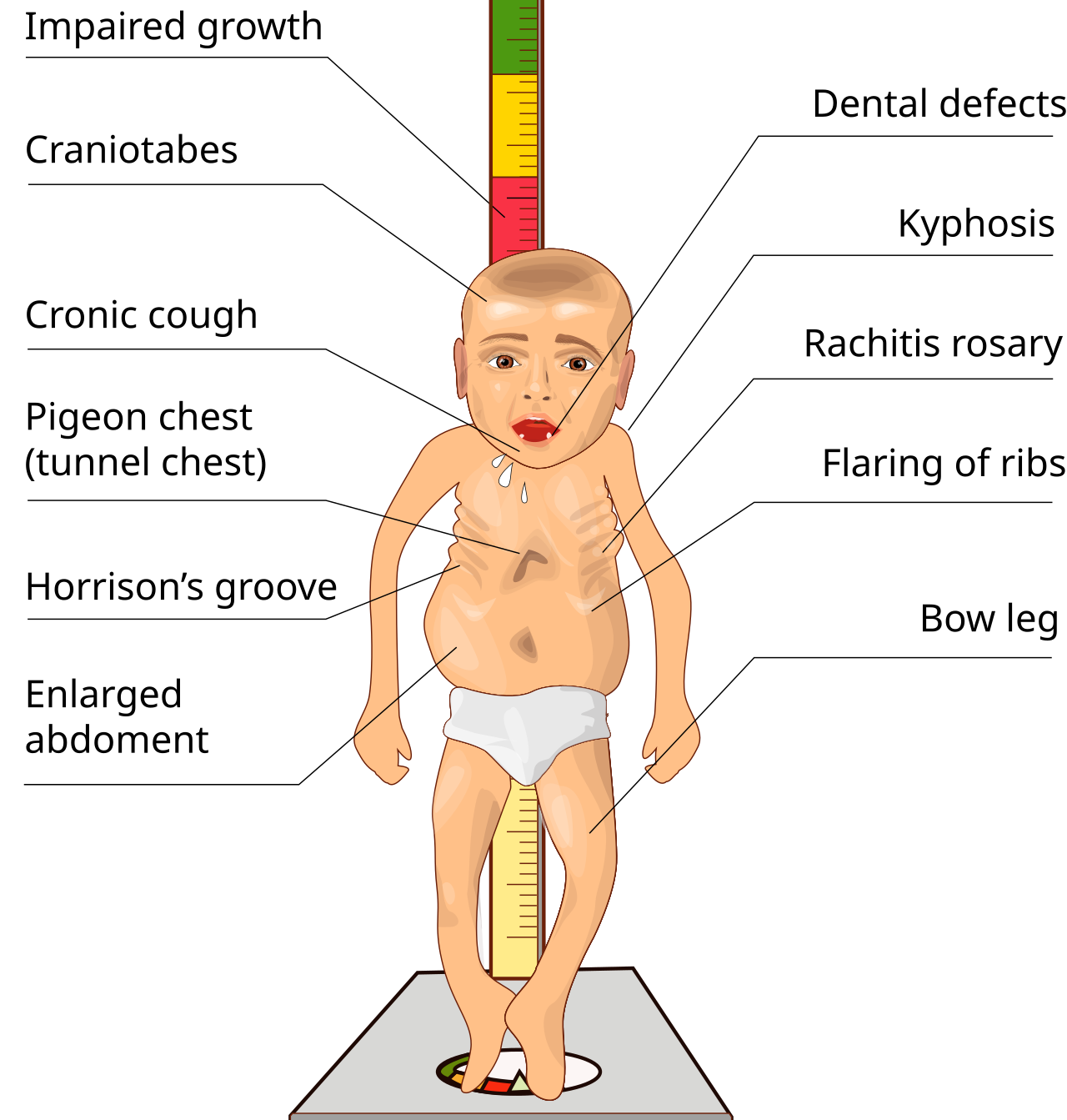
Vitamin D deficiency causes rickets – crooked legs and weak bones
Vitamin D deficiency – a particular concern in India
Interestingly, vitamin D deficiency is very common even in a sun-rich country like India, as most people don't spend enough time in the sun during the day, and the habit of keeping the skin completely covered is also a reason for this. Rickets causes children's bones to become soft and weak and crooked (especially the legs become bow-shaped), while in adults the same deficiency is called osteomalacia, in which the bones become weak and painful.
Spending 15-20 minutes in the morning sun is enough to make the body produce enough vitamin D. This is why morning walks and sunbathing have been a part of health traditions since ancient times.
◆ fat-soluble vitamins ◆ Vitamin A – Night blindness ◆ Vitamin D – Rickets ◆ Vitamin E – Antioxidant ◆ Vitamin K – blood clotting
6 Water-soluble vitamins – B-group and vitamin C
Water-soluble vitamins are not stored in the body—excess amounts are excreted through urine. Therefore, their daily needs must be met through diet. This group includes the B group of vitamins (eight types) and vitamin C.
| Vitamins | Source | deficiency diseases |
|---|---|---|
| Vitamin B1 (Thiamine) | Whole grains, pulses, nuts | Beriberi – a nervous and heart disorder |
| Vitamin B2 (riboflavin) | Milk, eggs, green vegetables | Cracking of the corners of the mouth and lips (Angular Stomatitis) |
| Vitamin B3 (Niacin) | Peanuts, whole grains, meat | Pellagra — Skin, digestive and mental disorders |
| Vitamin B9 (Folic Acid) | Green leafy vegetables, pulses, citrus fruits | Neural tube defects in the fetus, anemia in pregnancy |
| Vitamin B12 (cobalamin) | Meat, eggs, milk (mainly animal-source) | Pernicious anemia, nerve damage |
| Vitamin C (ascorbic acid) | Amla, lemon, orange, guava, tomato | Scurvy – bleeding gums, slow wound healing |
The special role of vitamin C
Vitamin C not only protects against scurvy, but it's also a powerful antioxidant, aiding in iron absorption and wound healing. It also strengthens the immune system by increasing white blood cell function—hence the recommendation to eat amla (Indian gooseberry) and lemon for colds.
Indian gooseberry (Phyllanthus emblica) is considered one of the richest natural sources of vitamin C—it provides many times more vitamin C than oranges.
Adequate folic acid is essential during early pregnancy, as a deficiency can lead to neural tube defects (such as spina bifida) in the baby. Therefore, iron-folic acid (IFA) tablets are routinely given to pregnant women under programs like India's Janani Suraksha Yojana.
◆ water-soluble vitamins ◆ Vitamin B1 – Beriberi ◆ Vitamin B9 — Folic Acid ◆ Vitamin B12 ◆ Vitamin C – Scurvy
7 Minerals – calcium, iron, iodine, zinc etc.
Minerals are inorganic nutrients that play a role in many functions in the body, from bones to the nervous system. They are divided into two sub-classes—macrominerals (such as calcium and phosphorus, which are needed in large quantities) and trace elements (such as iron, iodine, and zinc, which are needed in very small quantities).
| Mineral elements | Source | Work | deficiency diseases |
|---|---|---|---|
| Calcium | Milk-curd, sesame, ragi, green leafy vegetables | Bone and teeth formation, muscle contraction, blood clotting | Osteoporosis, weakening of the bones |
| Iron | Jaggery, spinach, beetroot, pomegranate, meat, pulses | Hemoglobin formation – oxygen transport | Anemia – fatigue, weakness |
| Iodine | Iodized salt, seafood | thyroid hormone (thyroxine) production | Goitre, mental retardation in children (cretinism) |
| Zinc | Meat, pulses, pumpkin seeds, whole grains | Immune system, wound healing, growth and development | Stunted growth, frequent infections, delayed wound healing |
| sodium and potassium | Salt, banana, potato, coconut water | Nerve impulse transmission, fluid balance, blood pressure regulation | Muscle cramps, weakness (to the point of imbalance) |
Anaemia – India's biggest nutritional challenge
According to the National Family Health Survey (NFHS), iron deficiency anemia is a widespread problem among women and children in India. To address this, the Indian government has launched the Anemia Mukt Bharat campaign, under which iron-folic acid (IFA) supplements are regularly administered to children, adolescents, pregnant and lactating women.
Goiter (swelling of the neck) was once very common in mountainous regions where soil and water are naturally low in iodine. After the Indian government made iodized salt mandatory and readily available, the incidence of this disease has declined significantly—considered a major public health policy success.
◆ Minerals ◆ Calcium ◆ Iron – Anemia ◆ Iodine — Esophageal Disease ◆ Zinc
8 Modern aspects of water, fibre and diet
Water
Water is often overlooked in the list of nutrients, even though the human body is composed of approximately 60-70% water. It participates in every vital function, including digestion, nutrient transport, body temperature regulation, and excretion. A typical adult requires approximately 2.5-3 liters of water per day.
Dietary Fibre
Fiber is the plant part that human digestive enzymes cannot digest, yet it is vital for digestive health. It regulates bowel movements, prevents constipation, helps control blood sugar and cholesterol levels, and also aids in weight management by providing a feeling of fullness. Whole grains, vegetables, fruits, and pulses are the main sources of fiber.
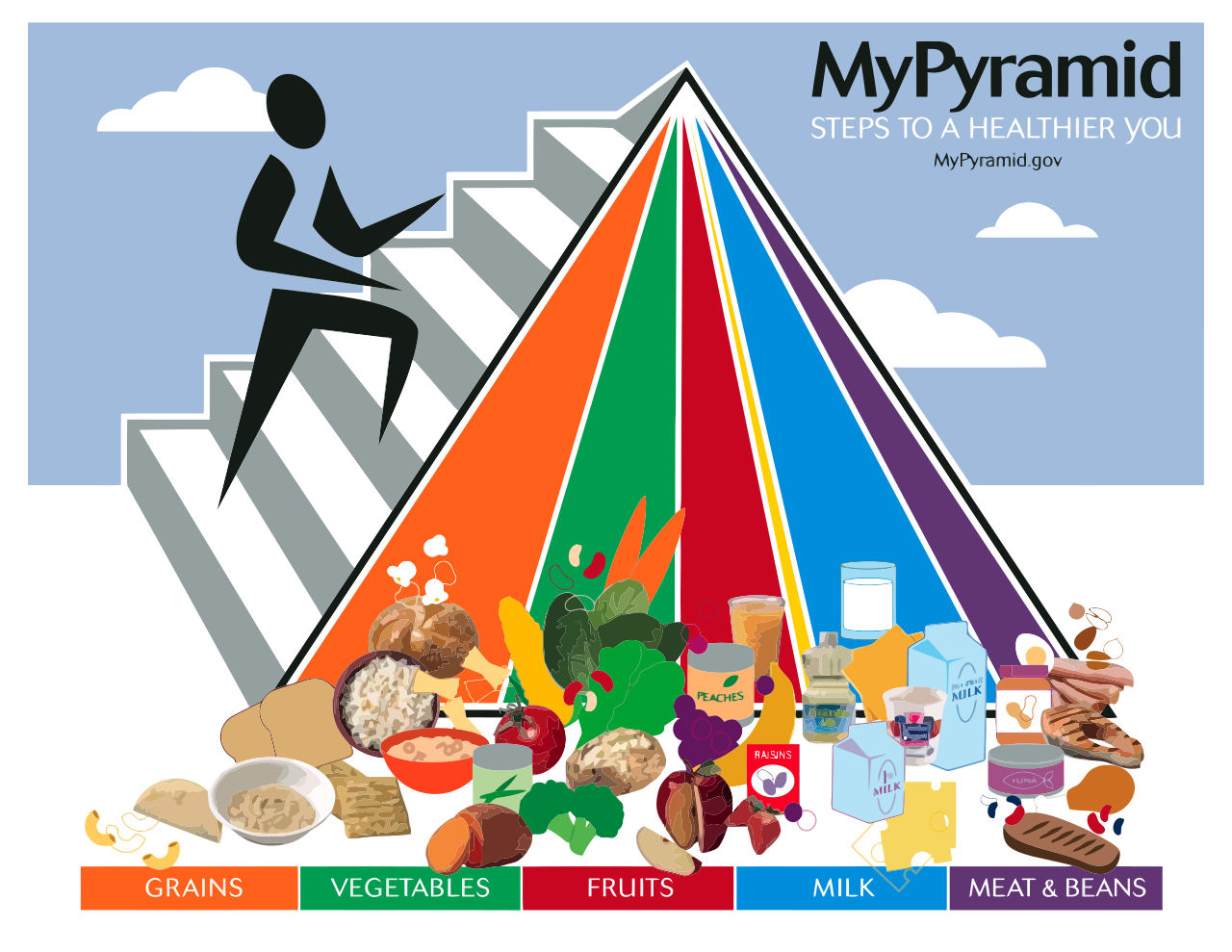
🖼️ Food Pyramid — the proportion of different food groups in a balanced diet
Millets – The Renaissance
Millets like bajra, sorghum, ragi (mandua), kodo – once considered 'grains of the poor' – are now gaining global recognition for their nutritional value. On India's proposal, the United Nations declared the year 2023 as the International Year of Millets. Millets are high in fibre, low in glycemic index and rich in minerals like iron and calcium – making them especially suitable for diabetics and heart patients. Millets have traditionally been the most important food grain in Rajasthan, especially in desert areas where it yields well even with less water.
Probiotics
Probiotics are live, beneficial microorganisms (mainly bacteria) that, when consumed in adequate amounts, promote gut health. Yogurt, buttermilk, and idli-dosa batter (fermented foods) are natural sources of probiotics. They improve digestion by increasing the number of beneficial bacteria in the gut and also indirectly support the immune system, as the gut contains approximately 70% of the body's immune cells.
💡 Yogurt – A natural probiotic in your daily diet: Buttermilk and curd have been a part of the traditional diet of Rajasthan and across India – apart from cooling the body in summer, they also supply beneficial bacteria (like Lactobacillus) to the digestive system.
◆ Water ◆ Dietary Fiber ◆ Food Pyramid ◆ Millets ◆ Probiotics
9 The overall picture of malnutrition and the nutrition plans of India and Rajasthan
Malnutrition doesn't just mean eating less—it has two opposite forms. Undernutrition is when the body doesn't get enough nutrients (e.g., PEM, anemia, vitamin deficiencies), while overnutrition is when excess calories are consumed, leading to obesity and lifestyle diseases. Today, India faces the 'double burden' of both types of malnutrition—undernutrition among children in rural and tribal areas on the one hand, and increasing obesity in urban areas on the other.
Key indicators to measure malnutrition
- Stunting — short height for age, a sign of long-term malnutrition.
- Wasting – low weight for height, indicating acute/recent malnutrition.
- Underweight – Low weight for age, both types of malnutrition.
India's major public nutrition programs
- Integrated Child Development Services Scheme (ICDS) – Supplementary nutrition, vaccination and health check-up to children up to 6 years of age, pregnant and lactating women through Anganwadi centres.
- Mid-Day Meal Scheme/PM Poshan – Cooked nutritious food for children in government schools, which reduces malnutrition and increases school attendance.
- POSHAN Abhiyaan – National convergence mission to reduce problems like stunting, wasting, anemia and low birth weight.
- Anemia Mukt Bharat Abhiyan – Iron-folic acid supplementation at every stage of life.
Special Nutrition Schemes of Rajasthan
The Rajasthan government has launched several special schemes keeping in view the geographical challenges of the state (desert, tribal remote areas):
| Plan | Objectives and Characteristics |
|---|---|
| Chief Minister's Nutrition Nutri Kit Scheme | Regular distribution of nutritious 'Nutri Kits' (multi-mix flour, oil, pulses, etc.) to malnourished children and pregnant and lactating women, especially in tribal and remote districts |
| Indira Rasoi Yojana / Shri Annapurna Rasoi Yojana | Providing nutritious and hygienic food to the urban and rural poor at highly subsidized rates, so that no one sleeps hungry. |
| Chief Minister Panna Dhai Bal Gopal Scheme | Distribution of nutritious hot milk to students of government schools on designated days of the week to address calcium and protein deficiencies and reduce malnutrition. |
| Rajshree Yojana and Janani Suraksha Yojana | Financial assistance and medical care for improving the nutrition and health of pregnant women and newborn girls |
💡 Panna Dhai Bal Gopal Yojana – Importance of Milk: Under the Mukhyamantri Panna Dhai Bal Gopal Yojana, children in government schools in Rajasthan are given hot milk, as milk is an excellent source of calcium and protein – which directly links to topics 1 and 3 of this chapter for the development of bones and muscles in old age.
◆ Malnutrition ◆ Stunting ◆ Wasting ◆ Nutrition Campaign ◆ Chief Minister's Nutrition Nutri Kit Scheme ◆ Shri Annapurna Kitchen Scheme ◆ Panna Dhai Bal Gopal Scheme
10 Introduction to the Immune System – Innate Immunity
When a thorn pricks your body and the wound becomes inflamed, or when a cold causes a fever, an invisible army within your body is activated—this is our immune system. It's a complex network of cells, tissues, and organs that protects the body from harmful external elements—bacteria, viruses, fungi, and parasites (collectively called pathogens)—and the body's own abnormal cells (such as cancer cells).
Two main types of immunity
The immune system is divided into two broad categories—innate immunity, which is present from birth and is non-specific; and acquired immunity, which develops after exposure to a particular pathogen during life and is specific. These two systems work together—innate immunity is the first line of defense, while acquired immunity is a more targeted and memorable second line.
Levels of innate immunity
- Physical Barriers — The skin acts as an impenetrable wall; the mucous membranes of the respiratory and digestive tracts trap germs.
- Physiological Barriers — Stomach acid (HCl) kills most germs; an enzyme called lysozyme in tears and saliva breaks down bacterial cell walls.
- Cellular Barriers — White blood cells (WBCs) such as phagocytes (neutrophils, macrophages) engulf and engulf pathogens (phagocytosis); natural killer cells destroy infected and cancerous cells.
- Inflammatory Response – When there is an injury or infection, blood flow to the site increases, causing redness, swelling, warmth, and pain – this is the process of sending more protective cells to the site.
When body temperature rises during an infection (fever), it is not a malfunction but a deliberate strategy of the immune system – most germs cannot grow well at high temperatures, while the body's immune cells become more active.
◆ Immune System ◆ Pathogens ◆ Innate Immunity ◆ Phagocytosis ◆ natural killer cells ◆ inflammatory response
11 Acquired Immunity – B-cells and T-cells
While innate immunity responds to every pathogen in the same way, acquired/adaptive immunity acts like an intelligent army—it recognizes each pathogen and develops specific 'weapons' against it, and most importantly, it has a memory, allowing the body to respond much faster if the same pathogen attacks again in the future.
Lymphocytes – the main soldiers of acquired immunity
Lymphocytes, a special class of white blood cells, are at the heart of acquired immunity. There are two main types—B-lymphocytes and T-lymphocytes—both are formed from stem cells in the bone marrow, but T-cells migrate to the thymus gland to mature (hence the name T-cell, while B-cells derive their name from the bone marrow/bursa).
| 🅱️ B-cells (humoral immunity) | T-cell (cell-mediated immunity) |
|---|---|
| ◆ Recognizes the pathogen and transforms into a plasma cell ◆ Plasma cells secrete large amounts of antibodies. ◆ Antibodies circulate in the blood and body fluids and neutralize pathogens. ◆ Some B cells become memory cells and persist for years. | ◆ Helper T Cell — the 'commander' of the entire immune response, activates B cells and other cells ◆ Helper T-cells (Cytotoxic/Killer T Cells) — directly destroy infected and cancer cells ◆ Regulatory T Cells – calm the system down after the response is over ◆ Memory T-cells also provide long-term protection |
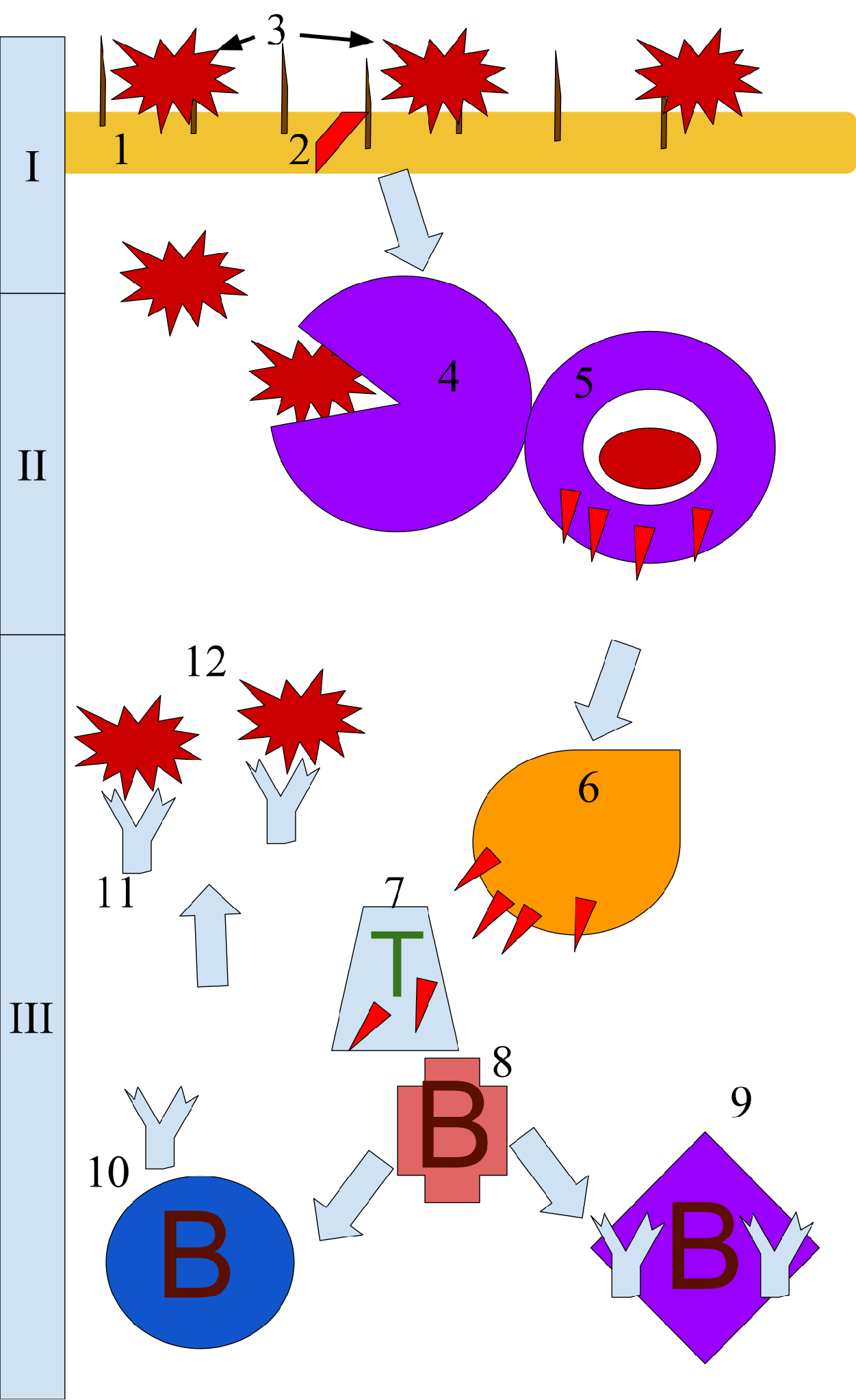
🖼️ Layers of the immune system—functioning of helper T-cells, B-cells, plasma cells, and antibodies
primary and secondary immune response
When the body is first exposed to a pathogen, the primary response is slow, taking a few days for antibodies to form—this is when a person feels sick. However, the memory cells formed during this time remain in the body for years. If the same pathogen attacks again in the future, the secondary response is much faster and more powerful, neutralizing the pathogen before symptoms appear—this is the principle on which vaccination works (detailed in Topic 13).
💡 Why lifelong protection against smallpox?: People who have had chickenpox in childhood usually do not become infected again throughout their lives – this is because the body has memory B and T cells that recognize that particular virus and are ready to immediately mount a strong secondary response.
◆ Acquired Immunity ◆ lymphocyte ◆ B-cell ◆ T-cell ◆ Helper T Cell ◆ Memory Cell ◆ primary and secondary response
12 Antibodies – Structure and types of immunoglobulins
An antibody, also called an immunoglobulin (Ig), is a special type of protein that plasma cells (derived from B-cells) produce in response to pathogens. This is often explained by the 'lock-and-key' principle—the structure of each antibody precisely matches the antigen on the surface of a particular pathogen.
structure of antibodies
A specific antibody is shaped like the letter 'Y' and is composed of four polypeptide chains—two heavy chains and two light chains—linked by disulfide bonds. It has two main parts—the Fab region (antigen-binding fragment), which is located at the two ends of the 'Y' and binds directly to the antigen; and the Fc region (crystallizable fragment), which is the stem of the 'Y' and serves to send signals to other immune cells.
🖼️ Basic structure of an antibody—heavy and light chains, Fab and Fc regions
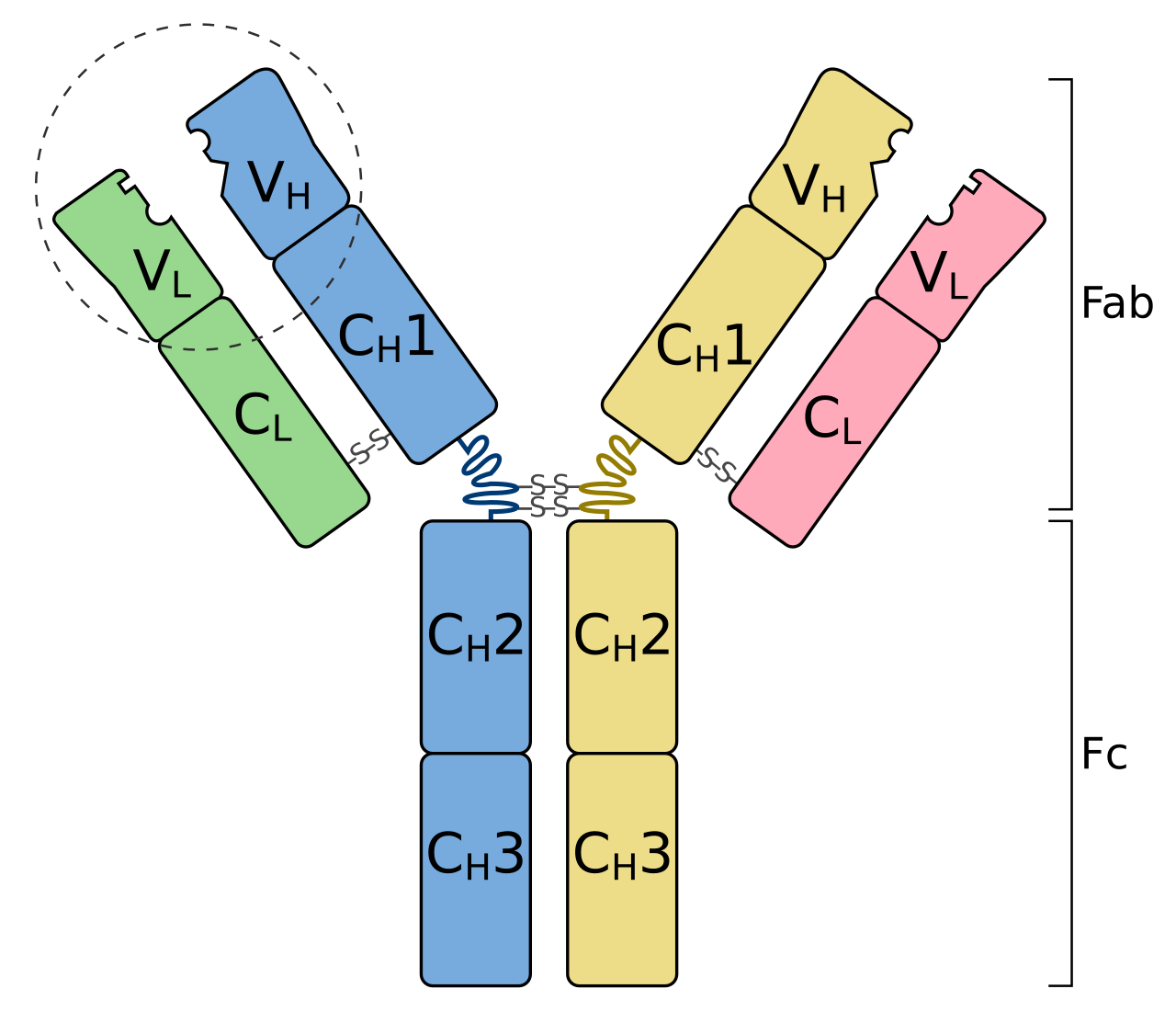
Five major types of immunoglobulins (Ig)
| Type | Key Features |
|---|---|
| IgG | Most abundant in blood (about 75-80%), crosses placenta in pregnancy to protect fetus, major in secondary response |
| IgM | The first antibodies produced after infection, indicating a primary response |
| IgA | Found in mucous secretions (saliva, tears, breast milk), giving the baby natural immunity from breast milk |
| IgE | Active in allergies and parasitic infections |
| IgD | Found on the B-cell surface, role in B-cell activation |
A newborn's immune system is immature at birth. The mother's first milk, colostrum, contains a high concentration of IgA antibodies, which protect the baby from infections during the first months of life—that's why breastfeeding immediately after birth is considered crucial.
◆ Antibody ◆ Immunoglobulin ◆ Antigen ◆ Fab and Fc regions ◆ IgG, IgM, IgA, IgE, IgD
13 Vaccination – Principles, Types and India's Programme
The basic principle of vaccination is simple—to 'recognize' the actual pathogen without making it sick, so that memory cells are created. The first vaccine in history was developed in 1796 by Edward Jenner against smallpox, after he observed that cowpox-bearing cows were protected from smallpox.
Types of vaccines
- Inactivated/killed vaccine — made from a killed pathogen, such as the injectable polio vaccine (IPV).
- Live Attenuated Vaccine — Made from weakened live pathogens, such as measles, BCG (for tuberculosis).
- Subunit/Toxoid Vaccine — Made from only a part of the pathogen (such as a protein) or inactivated toxin, such as hepatitis B, tetanus.
- mRNA Vaccine — A newer technology that delivers instructions (mRNA) for making the pathogen's surface protein, which the body then reads and develops an immune response to — such as the Pfizer and Moderna vaccines for COVID-19.
India's Universal Immunization Programme (UIP)
The Government of India's UIP is one of the world's largest immunization programs, providing free vaccines to millions of children and pregnant women every year—including BCG, polio (OPV/IPV), DPT (diphtheria-pertussis-tetanus), measles-rubella (MR), hepatitis B, rotavirus, and pneumococcal vaccines. Special campaigns like Mission Indradhanush focus on reaching children who have missed routine vaccinations.
When a sufficiently large population of a community (typically 70–95%, depending on the infectiousness of the disease) is vaccinated against a disease, the chain of transmission of the pathogen is broken, thereby indirectly protecting those who cannot be vaccinated for some reason (such as newborns or seriously ill people)—this is called herd immunity.
◆ Vaccination ◆ Edward Jenner ◆ Inactivated vaccine ◆ attenuated live vaccine ◆ mRNA vaccine ◆ UIP ◆ Herd Immunity
14 Immune system disorders – allergies, autoimmune diseases and immunodeficiencies
The immune system protects the body, but sometimes it causes problems itself—either by becoming overactive, weakened, or confused and attacking its own body.
Allergy
When the immune system mistakes a normally harmless substance (such as pollen, dust, certain foods) for a threat and overreacts, it's called an allergy. IgE antibodies play a key role, triggering mast cells to release histamine, which causes symptoms like sneezing, itching, and swelling.
Autoimmune Diseases
When the immune system mistakenly attacks the body's own healthy cells, mistaking them for "foreign enemies," it's called an autoimmune disease. Examples include type 1 diabetes (the body destroys its own insulin-producing pancreatic cells), rheumatoid arthritis (attacks the joints), and psoriasis (attacks the skin).
Immunodeficiency
When the immune system becomes weaker than normal, making a person susceptible to frequent and serious infections, it is called immunodeficiency. This can be congenital (primary, due to genetic factors) or acquired (secondary). HIV/AIDS is a prime example, in which the human immunodeficiency virus directly attacks helper T-cells (CD4+ cells) and gradually destroys the immune system, leaving the body unable to fight even common infections.
Any unusual immune response (severe allergy/anaphylaxis, repeated infections, unexplained swelling and pain) should be immediately addressed by a qualified physician—do not rely on self-diagnosis or home remedies.
The ideal function of the immune system is 'not too little, not too much'—too weak leads to infections, while too active leads to allergies and autoimmune diseases. A balanced diet, adequate sleep, regular exercise, and stress management are natural ways to maintain a healthy immune system balance—which directly connects to the nutrition topics (1 to 9) in this chapter.
◆ Allergy ◆ Histamine ◆ Autoimmune Disease ◆ Immunodeficiency ◆ HIV/AIDS ◆ CD4+ cells
• A balanced diet requires carbohydrates, proteins, fats (macronutrients) and vitamins and minerals (micronutrients) in the right proportions – water and fibre are also essential. • Carbohydrates are the main energy source (mono-, di-, polysaccharides); protein is the building block of the body—severe deficiency results in protein-energy malnutrition conditions such as kwashiorkor and marasmus. • Fat is a concentrated energy source—unsaturated fats (omega-3) are beneficial while trans fats are considered the most harmful. • Fat-soluble vitamins (A, D, E, K) are stored in the body; water-soluble vitamins (B-group, C) must be obtained daily from the diet—deficiency of each causes specific diseases (night blindness, rickets, scurvy, etc.). • Minerals (calcium, iron, iodine, zinc) play a role in bone, blood, thyroid and immune function – anemia is the most widespread nutritional challenge in India. • Nutrition schemes of India and Rajasthan (ICDS, POSHAN Abhiyaan, Chief Minister's Nutrition Nutri Kit, Shri Annapurna Rasoi, Panna Dhai Bal Gopal) are active to tackle the dual challenge of malnutrition. • The immune system consists of innate immunity (nonspecific, immediately activated) and acquired immunity (specific, memory-based—B-cells and T-cells) that work together to protect the body. • Antibodies (immunoglobulins—IgG, IgM, IgA, IgE, IgD) neutralize antigens; vaccination is based on this principle of memorization, with India's UIP being one of the largest programs in the world. • Allergies, autoimmune diseases, and immunodeficiencies (such as HIV/AIDS) are examples of immune system imbalances — a balanced diet and a healthy lifestyle are key to maintaining strong immunity.