- Introduction to plant nutrition—essential element criteria
- Macronutrients
- Micronutrients and symptoms of deficiency
- Absorption of minerals and soil factors
- Photosynthesis – Introduction, Pigments and Structure
- Photosynthesis – Light Reaction
- Photosynthesis — nonphotonic reaction (C3, C4 and CAM cycles)
- Factors Affecting the Rate of Photosynthesis
- Respiration – glycolysis, Krebs cycle and electron transport system
- fermentation and respiration coefficients
- Growth and Development – Growth Curves and Measurement
- Plant growth regulators – auxins and gibberellins
- Plant growth regulators – cytokinin, ethylene and abscisic acid
- Photoperiodism, flowering and vernalization
- Senescence, abscission and plant stress
- Application of growth regulators in agriculture and horticulture
In 1926, a strange disease swept through Japan's rice fields, which farmers called "Bakanae" (literally "stupid plant disease"). Affected rice plants grew taller, thinner, and weaker than the rest of the plant, falling over and eventually dying. Japanese scientists worked to unravel this mystery, eventually discovering that it wasn't a nutrient deficiency, but rather the work of a fungus called Gibberella fujikuroi, which released a specific chemical into the plant, causing it to grow abnormally tall. The chemical they later isolated from this fungus, which scientists named Gibberellin, is now used worldwide to enhance plant growth, elongate stunted plants, and produce seedless fruit. What was once considered a "disease" has now become an invaluable tool in the farming of millions of farmers! This story teaches us that plants don't grow simply by absorbing water and minerals from the soil—they also have some extremely powerful chemical "messengers" at work within them, determining when, how much, and how a plant will grow. Let's explore the fascinating world of plant nutrition and these growth regulators in detail, with special reference to agriculture and horticulture.
1 Introduction to Plant Nutrition—The Criteria for Essential Elements
Nutrition is the process by which a living organism takes in food, digests and absorbs it, and uses it for growth, energy production, and repair. On this basis, living organisms are divided into two categories: autotrophs, which make their own food with the help of chlorophyll (such as green plants), and heterotrophs, which cannot make their own food and depend on others (such as fungi, parasites, and animals).
Plants absorb approximately 60 mineral elements from the soil, but only 17 of these are considered essential. To be considered essential, an element must meet the criteria set forth by scientists Aron and Stout (and later by Epstein, 1972):
- Without that element, the plant cannot complete its normal life cycle (from growth to reproduction).
- The need for that element is specific—it cannot be replaced by any other element.
- That element is directly or indirectly involved in the metabolism of the plant – such as in the formation of some essential organic molecule (enzyme etc.).
- Deficiency symptoms appear due to the deficiency of that element, and when the element is replenished the plant becomes healthy.
German scientistsJulius von Sachs, 1860He was the first to prove that plants do not need soil at all – if grown in the proper nutrient solution, the plant can grow completely healthy. This technique is today called hydroponics, which is used commercially in crops like seedless cucumber, tomato and lettuce. In a new technique, Aeroponics, the roots of the plant are suspended in the air and a fine mist of nutrient solution is sprayed on them – this results in exceptionally good root growth, and is used in crops like citrus fruits and olives.
German scientist Liebig's Law of Minimum
The 19th-century German scientist Liebig demonstrated that plants use their nutrients in a fixed ratio, and the least available element limits the plant's overall growth—no matter how abundant all the other elements are. This can be illustrated by a famous analogy: the shortest plank of a wooden barrel determines how much water can be filled in the barrel, no matter how high the other planks are.
| Social class | Number of elements | Example |
|---|---|---|
| Non-mineral nutrients (from air and water) | 3 | carbon, hydrogen, oxygen |
| Macronutrients | 6 | Nitrogen, Phosphorous, Potassium, Calcium, Magnesium, Sulphur |
| Micronutrients | 8 | Iron, Manganese, Boron, Zinc, Copper, Molybdenum, Chlorine, Nickel |
In 1988, scientists (Degan and colleagues) declared nickel the 17th essential nutrient—it's a key component of the enzyme urease, which breaks down urea. Nickel-deficient barley seeds fail to germinate—showing how significant a difference even the smallest of elements can make in the plant world.
◆ Self-sufficient ◆ Heterotroph ◆ Essential elements ◆ Hydroponics ◆ Aeroponics ◆ law of minimum ◆ Out
2 Macronutrients
Elements that constitute at least 1.0 mg/gram or more of a plant's dry weight are called macronutrients. Of these, nitrogen, phosphorus, and potassium—these three are also called "critical elements" because they are often the first to become deficient in normal soil—and therefore, almost all commercially available chemical fertilizers (such as urea, DAP, NPK) contain these three elements primarily.
| Element | Absorbed form | main role | Deficiency symptoms |
|---|---|---|---|
| Nitrogen (N) | NO3⁻ / NH4⁺ | Production of proteins, enzymes, nucleic acids and chlorophyll | Yellowing of leaves (chlorosis), stunted growth |
| Phosphorous (P) | H2PO4⁻ / HPO4²⁻ | Nucleic acids, ATP, cell membrane, root development and flowering | Poor root development, delayed flowering, purple-red leaves |
| Potassium (K) | K⁺ | Enzyme activation, stomatal opening and closing, disease resistance | Leaf margin scorching, stem weakening |
| Calcium (Ca) | Ca²⁺ | Middle lamella (calcium pectate) formation, cell division | Deformation of young leaves, death of growth points |
| Magnesium (Mg) | Mg²⁺ | Central part of chlorophyll molecule, enzyme activation | Yellowing of the interveinal area (but the veins remain green) |
| Sulfur (S) | SO4²⁻ | Amino acids (cysteine, methionine), formation of coenzyme A | Yellowing of the entire plant, reduced formation of root nodules |
💡 Connection to Agriculture – A Trick to Remember: Farmers often say, "Nitrogen for leaves, phosphorus for roots and flowers, potassium for fruit and grain strength"—a simple but fairly accurate rule of thumb, useful in determining the ratio of NPK fertilizers. This is why more nitrogen is used in cereal crops, while the phosphorus-potassium ratio is increased in flowering and fruit crops.
◆ macronutrients ◆ critical element ◆ nitrogen ◆ Phosphorus ◆ potassium ◆ Calcium ◆ Magnesium ◆ Sulphur
3 Micronutrients and Deficiency Symptoms
Elements that make up less than 1.0 mg/gram of a plant's dry weight are called micronutrients or trace elements. Despite their extremely small amounts, deficiencies can cause significant damage to a plant—just as a single small component can cause the entire machine to stop working.
| Element | main role | Typical symptoms of deficiency |
|---|---|---|
| Iron (Fe) | Helps in chlorophyll synthesis, component of cytochrome | Interveinal chlorosis (more pronounced in younger leaves) |
| Manganese (Mn) | Activating photosynthesis and respiratory enzymes | 'Marsh spot' in peas, mottled yellowing in sugar beet |
| Boron (B) | sugar transfer, pollen germination, cleavage activity | Growing point dieback, 'heart rot' in sugar beet, uneven bunches in grapes |
| Zinc (Zn) | auxin (IAA) synthesis, enzyme activation | Little leaf disease in apple, stunting |
| Copper (Cu) | component of cytochrome oxidase and plastocyanin | Die-back in citrus fruits |
| Molybdenum (Mo) | Required for nitrogen fixation and nitrate reductase enzyme | Protein synthesis is disrupted, leaves turn yellow |
| Chlorine (Cl) | Aids in photolysis in photosynthesis | stunted growth, wilting of leaves |
| Nickel (Ni) | Component of the enzyme urease (urea breakdown) | non-germination of seeds |
If yellowing (chlorosis) first appears in older (lower) leaves, it's usually due to a deficiency of "mobile" elements like nitrogen, phosphorus, potassium, or magnesium—because the plant pulls these elements from older leaves and transfers them to new growth. However, if yellowing first appears in younger (upper) leaves, it's usually due to a deficiency of "immobile" elements like iron, calcium, or boron, which can't be transferred from older leaves to younger leaves. Farmers and agricultural scientists can use this simple criterion to make an initial assessment of the deficiency while standing in the field.
◆ Micronutrients ◆ Iron ◆ Manganese ◆ Boron ◆ Zinc ◆ Copper ◆ Molybdenum ◆ Dynamic elements ◆ non-moving element
4 Absorption of Mineral Elements and Soil Factors
Roots absorb minerals from the soil in two stages. The first stage is passive absorption—a rapid, energy-free process in which ions spontaneously penetrate the cell wall and intercellular spaces (called the apoplast). The second stage is active absorption—a slow, energy-intensive process in which ions cross the cell membrane and enter the cytoplasm (called the symplast). The inward flow is called influx and the outward flow is called efflux. The absorbed minerals are then transported throughout the plant by the xylem.
Soil factors that affect nutrient availability
- Soil pH — Most nutrients are most available at neutral pH (6.5–7.5); micronutrients are more available in acidic soils, while molybdenum is more available in alkaline soils.
- Waterlogging – oxygen supply to the roots is reduced and nitrogen is lost through denitrification.
- Excessive rainfall – leaching of nutrients increases.
- Soil microorganisms – They increase fertility by helping in nitrogen fixation and humus formation.
- Crop Rotation – Different crops absorb different nutrients, so crop rotation helps maintain nutrient balance in the soil – this is a particularly recommended practice in dry agricultural areas like Rajasthan.
◆ Passive absorption ◆ Active absorption ◆ External faith ◆ inner faith ◆ soil pH ◆ leaching ◆ Crop rotation
5 Photosynthesis – Introduction, pigments and structure
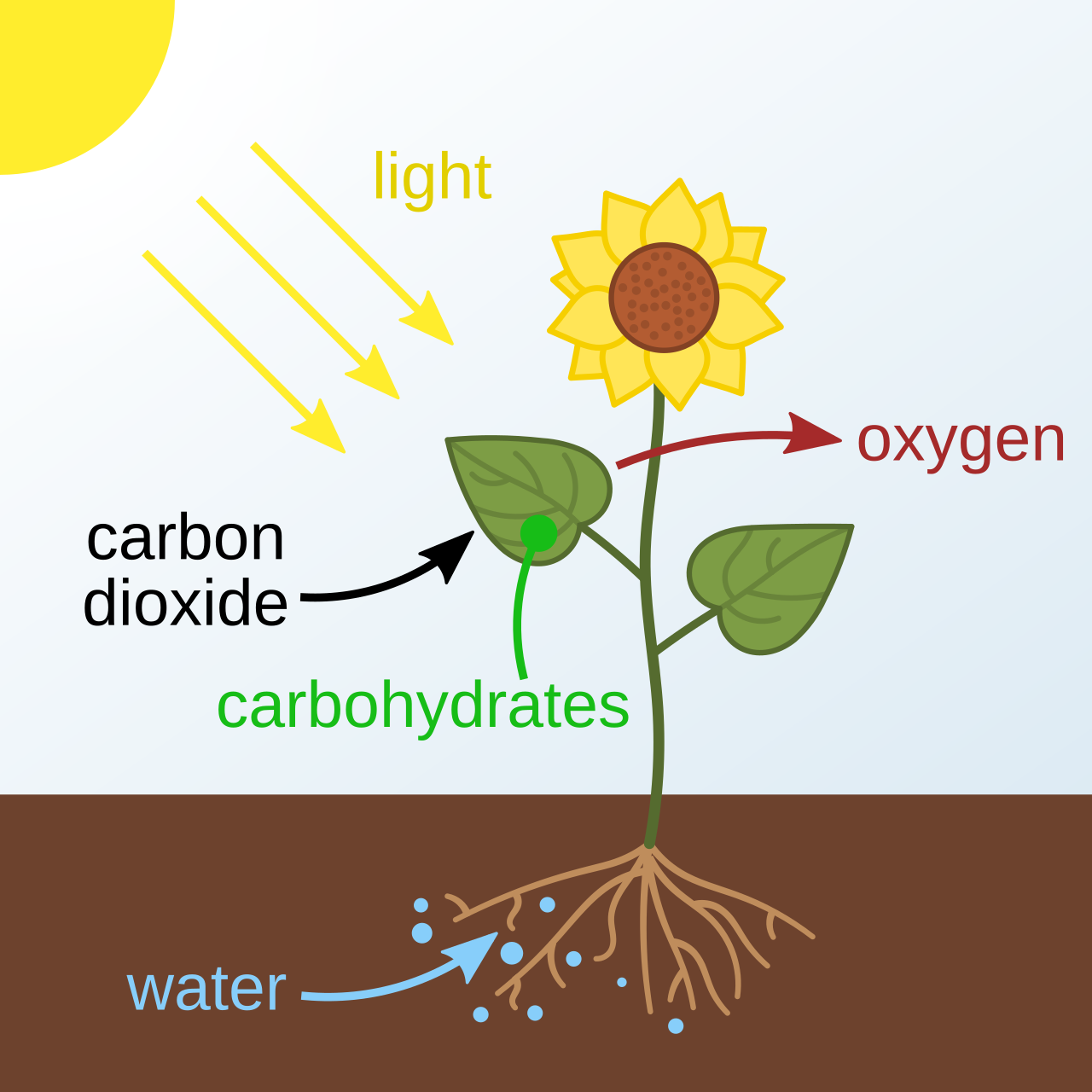
Photosynthesis is the anabolic process by which green plants use the energy of sunlight to form carbohydrates (food) from carbon dioxide and water, releasing oxygen as a by-product. It is the most important chemical process for life on Earth—because nearly all life depends (directly or indirectly) on it for food and energy, and the presence of oxygen in the atmosphere is also made possible by it.
📐 General Equation of Photosynthesis — Formula/Process: 6CO2 + 12H2O —(deciduous, sunlight)→ C2H2O + 6H2O + 6O2 (The oxygen released comes from the decomposition of water, not CO₂)
🖼️ Photosynthesis — raw materials (CO₂, water, sunlight) and products (glucose, oxygen)
Historical experiments
- Joseph Priestley (1772) and John Ingenhousz (1779) – They showed that plants take in CO₂ and release O₂, and that this process occurs only in sunlight and only in green parts.
- Robert Hill (1939) – showed that isolated chloroplasts (even without any CO₂) could release oxygen in the presence of electron acceptors in the light – this is called the 'Hill reaction', which proved that the oxygen released came from water, not CO₂.
Photosynthetic Pigments
The thylakoid membrane of the chloroplast contains two major classes of pigments—chlorophyll and carotenoids. Chlorophyll absorbs blue-violet and red light the most and reflects green light—which is why leaves appear green to us. Chlorophyll-a is the primary/essential pigment (located at the reaction center), while chlorophyll-b and carotenoids are accessory pigments that transfer absorbed energy to chlorophyll-a. Carotenoids include carotene (orange-yellow, from which vitamin A is formed) and xanthophylls (yellow).
These pigments are organized into groups of about 250-400 molecules in the chloroplast to form photosystems—two types: photosystem I (PS-I, reaction center P700, meaning it absorbs the most light at wavelengths of 700 nanometers) and photosystem II (PS-II, reaction center P680). Together, these two photosystems carry out the photoreaction.
◆ Photosynthesis ◆ Chlorophyll-a ◆ Deciduous-b ◆ Carotenoids ◆ Hill reaction ◆ Photosystem-I ◆ Photosystem-II
6 Photosynthesis – Light Reaction
The photoreaction occurs in the thylakoid membrane of the chloroplast, where light energy is converted into chemical energy (ATP and NADPH). When the P680 molecule of PS-II absorbs light, it becomes excited and loses an electron. This lost electron is replenished by splitting a water molecule—a process called photolysis of water, releasing oxygen. From PS-II, the electron travels through a carrier chain (plastoquinone, cytochrome, plastocyanin) to PS-I, where it is again excited by light and ultimately reduces NADP to NADPH.
2H₂O → 4H⁺ + 4e⁻ + O₂
The energy released during electron transport combines ADP and phosphate to form ATP—this is called photophosphorylation. It is of two types—non-cyclic, in which electrons travel unidirectionally from water to PS-II → PS-I → NADP, oxygen is released, and both ATP and NADPH are formed (also called the 'Z-scheme'); and cyclic, in which only PS-I is involved, the electrons return to the same molecule, and neither oxygen is released nor NADPH is formed—only additional ATP is formed.
◆ optical reaction ◆ thylakoid ◆ Photolysis ◆ Photophosphorylation ◆ non-cyclic phosphorylation ◆ cyclic phosphorylation
7 Photosynthesis — nonphotonic reaction (C3, C4 and CAM cycles)
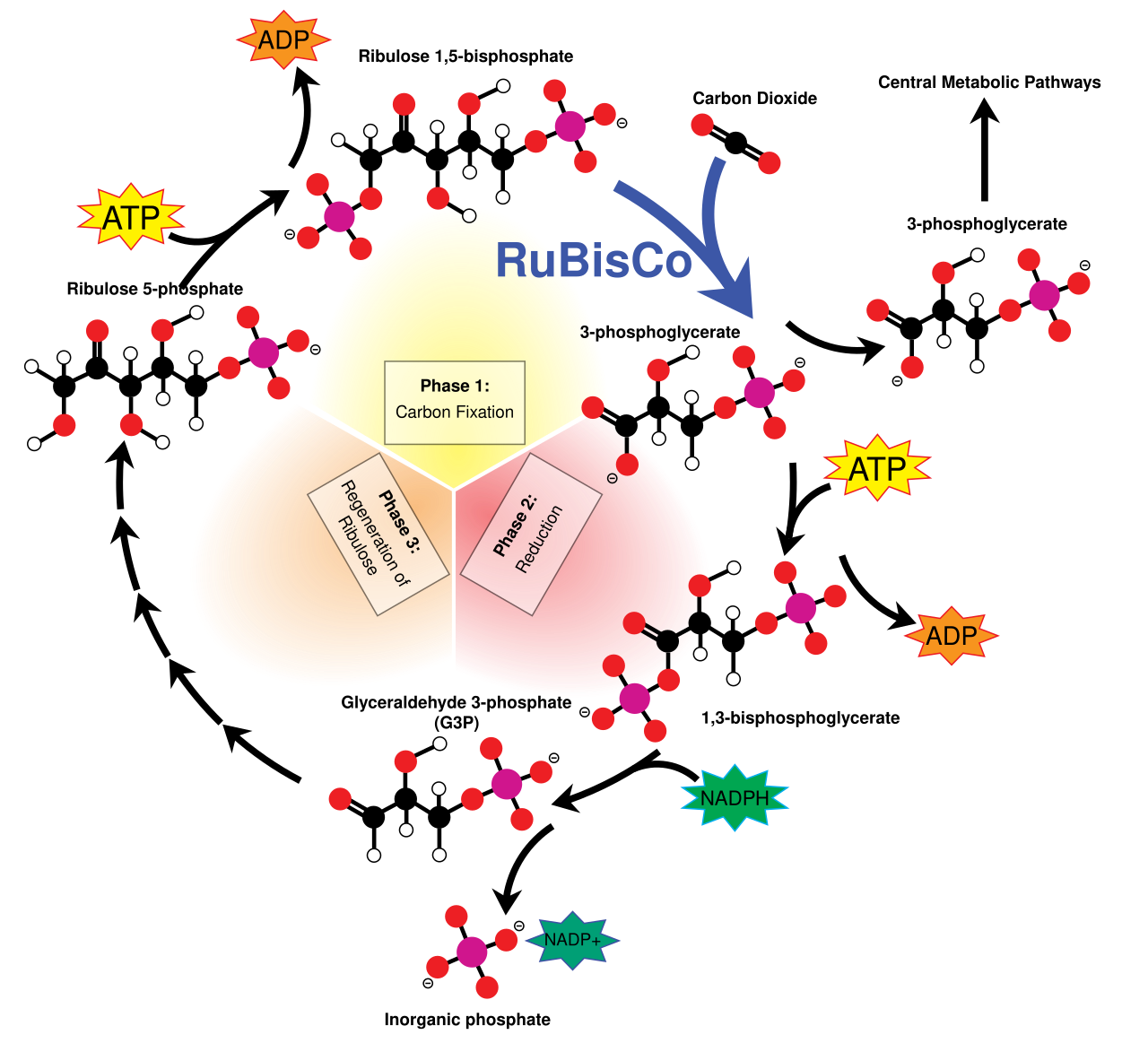
The dark reaction occurs in the stroma of the chloroplast, where carbohydrates are formed by fixing CO₂ using ATP and NADPH obtained from the light reaction. Although it is called a 'dark reaction,' it does not actually require direct light—it relies only on the products of the light reaction (ATP, NADPH).
C3 cycle (Calvin-Benson cycle)
In most plants, the CO₂ acceptor is a five-carbon compound.RuBP (ribulose bisphosphate)which is the enzymeRuBisCO— also known as the most abundant protein on Earth — binds to CO₂ and breaks it into two molecules3-carbon PGA (phosphoglyceric acid)Because the first stable product is a 3-carbon product, it is called the C3 cycle. PGA is then converted to sugar with the help of ATP and NADPH, and RuBP is regenerated, continuing the cycle—a process called the Calvin cycle, named after Melvin Calvin.
🖼️ Calvin cycle (C3 cycle) — three steps of carboxylation, reduction, and regeneration
C4 cycle (Hatch-Slack cycle)
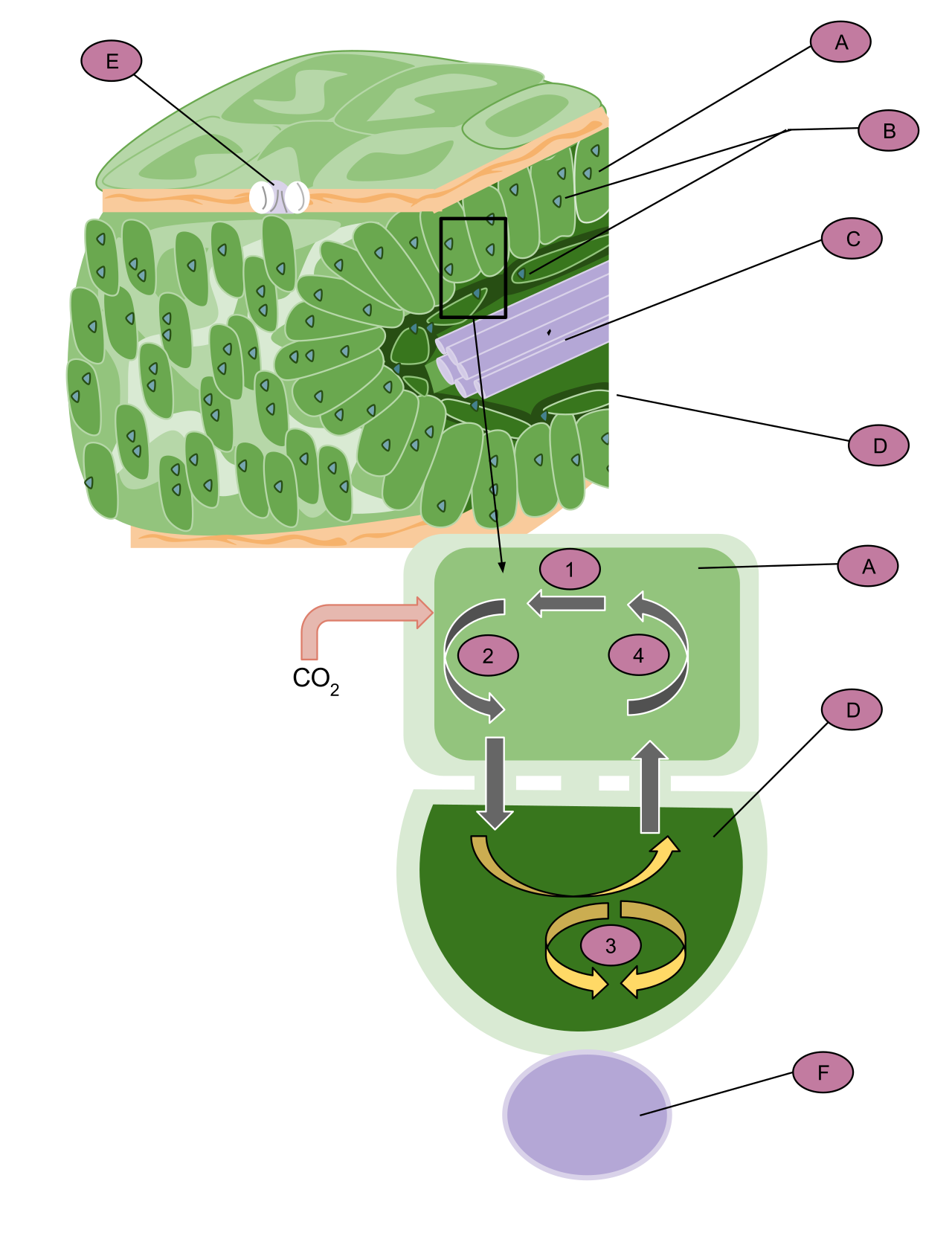
Plants of hot-arid regions, such as sugarcane, maize, and sorghum, have a unique adaptation: their leaves have a layer of garland-shaped cells surrounding the vascular bundles, a process known as Kranz anatomy (the German word 'Kranz' means 'garland'). In these, CO₂ first combines with the 3-carbon PEP (phosphoenolpyruvic acid) in mesophyll cells to form the 4-carbon compound oxaloacetic acid (hence the name C4 cycle). This is converted to malic acid and reaches the bundle sheath cells, where it breaks down to release CO₂, which is then used in the normal C3/Calvin cycle. Due to this dual arrangement, the concentration of CO₂ in the bundle sheath cells of C4 plants becomes very high, due to which photorespiration becomes negligible and productivity becomes about 3-4 times more than that of C3 plants.
🖼️ Kranz anatomy of a C4 plant leaf - mesophyll and bundle sheath cells
CAM cycle (a special adaptation of the cacti family)
Succulent xerophytes like cacti have a unique strategy to prevent water loss, called CAM (Crassulacean Acid Metabolism) – their stomata open at night (when heat is lower, so transpiration is lower) and store CO₂ as organic acids; during the day, the stomata remain closed (to conserve water), but the stored acids break down, releasing CO₂, which is used in the normal Calvin cycle.
| Base | C3 plants | C4 plants |
|---|---|---|
| Example | Wheat, rice, most plants | sugarcane, maize, sorghum, millet |
| Kranz anatomy | absent | Present |
| CO₂ acceptor | RuBP | PEP |
| First sustainable product | 3-carbon PGA | 4-carbon oxaloacetic acid |
| photorespiration | More | very little/negligible |
| productivity | Less | more (about 3-4 times) |
| Suitable temperature | 10-25°C | 30-40°C |
◆ Calvin cycle ◆ Rubisco ◆ Kranz anatomy ◆ Hatch–Slack cycle ◆ CAM cycle ◆ photorespiration
8 Factors affecting the rate of photosynthesis
According to Blackman's 'Law of Limiting Factors' (1905), when a process depends on multiple factors, its rate is determined by the least available (limiting) factor – no matter how favorable all other factors are.
external factors
- Light intensity—up to a certain limit, the rate increases with light intensity; the 'compensation point' is the light intensity at which the CO₂ used by photosynthesis equals the CO₂ released by respiration.
- CO₂ concentration – The amount of CO₂ in the atmosphere is only about 0.03–0.04%, so it often remains a major limiting factor; increasing CO₂ increases the rate up to a point, after which excess becomes harmful.
- Temperature — The effect of temperature on the photosensitive reaction is minimal, but the dark (enzyme-controlled) reaction is profoundly affected by temperature; generally, the rate approximately doubles for every 10°C increase between 5-35°C, but at extreme temperatures (above 37°C) the enzyme denatures and the rate drops rapidly.
- Water – The role of water as a direct raw material is small (only 1% of absorbed water is used in photosynthesis), but water deficiency causes stomata to close, blocking the supply of CO₂ – this is an indirect but important effect.
- Minerals – Deficiency of elements like magnesium (component of chlorophyll), manganese, copper and chlorine affects the rate.
Emerson Enhancement Effect – When plants are exposed to two different wavelengths of light (such as red and far-red) simultaneously, the rate of photosynthesis exceeds the sum of the rates obtained when the two are exposed separately – this observation gave scientists the first indication of the existence of two different photosystems (PS-I and PS-II).
◆ Law of limiting factors ◆ compensation point ◆ Emerson Effect
9 Respiration – glycolysis, Krebs cycle and electron transport system
Respiration is a catabolic process that involves the stepwise oxidation of stored food (glucose) to release energy in the form of ATP. While photosynthesis occurs only in sunlight, only in green parts, respiration occurs continuously, day and night, in all living cells.
Since plants lack lungs, gaseous exchange occurs by simple diffusion—through the general surface of the stem and roots, through the lenticels of the cortex, and through the stomata of the leaves. Plants require less oxygen than animals and have a much greater surface area (due to their leaves), so they do not require a specialized vascular system such as blood.
Glycolysis
This is the first stage of respiration, which occurs in the cytoplasm and is similar in both aerobic and anaerobic respiration. In it, a 6-carbon glucose molecule breaks down into two molecules of 3-carbon pyruvic acid, producing a net of 2 ATP and 2 NADH.
Krebs Cycle — Sir Hans Krebs, 1930s
In aerobic respiration, pyruvic acid enters the mitochondria and is first converted to acetyl-CoA (by releasing one CO₂), which then combines with oxaloacetate to form citrate (citric acid)—hence the name "citric acid cycle." This cyclic pathway involves two decarboxylations (CO₂ release) and four dehydrogenations (transfer of H atoms to NAD/FAD), directly producing 1 ATP per cycle. This cycle occurs twice, for the two pyruvic acid molecules formed from one glucose molecule.
Electron Transport Chain – Oxy-phosphorylation
NADH and FADH₂ formed in glycolysis and the Krebs cycle donate their hydrogen/electrons to a series of carriers (cytochromes, etc.) located on the inner membrane (cristi) of the mitochondria. These electrons travel through the chain, releasing energy, forming ATP, and finally combining with oxygen to form water. Each NADH produces approximately 3 ATP, and each FADH₂ produces approximately 2 ATP.
🖼️ Krebs cycle/citric acid cycle — cyclic pathway occurring in the matrix of the mitochondria
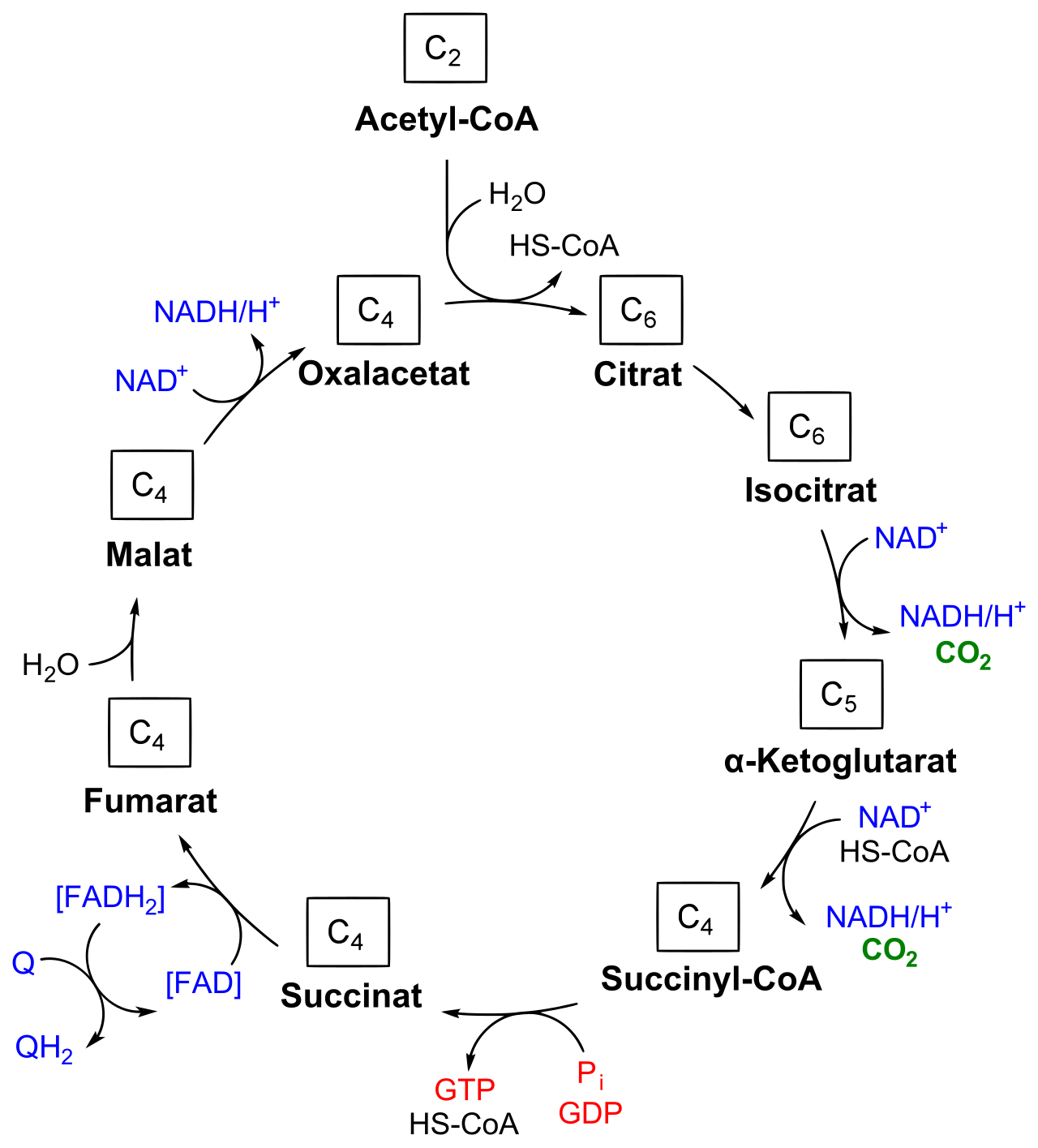
📐 Total Energy Account from One Glucose Molecule (Aerobic Respiration) — Formula/Process: Glycolysis: 2 ATP + 2 NADH Krebs cycle (2 cycles): 2 ATP + 6 NADH + 2 FADH₂ Total = approximately 36-38 ATP per glucose molecule
| Base | Photosynthesis | Respiratory |
|---|---|---|
| Type | Anabolic (constructive) | degradable (destructive) |
| Time | only in sunlight | day and night, continuously |
| place | Chloroplasts | mitochondria and cytoplasm |
| gas exchange | CO₂ uptake, O₂ release | O₂ uptake, CO₂ release |
| Effect on dry weight | increases | reduces |
| where does it happen | Only in green plants and algae | in all living cells |
◆ glycolysis ◆ Krebs cycle ◆ Electron transport mechanism ◆ oxy-phosphorylation ◆ Acetyl-CoA
10 Fermentation and respiration coefficient
When oxygen is unavailable, some organisms (such as yeast) and some tissues adopt anaerobic respiration, a process called fermentation. In this, the pyruvic acid formed after glycolysis is not fully oxidized but is broken down incompletely to form ethanol and CO₂ (in yeast) or lactic acid (in muscle cells, during intense exercise) – this only yields the same amount of energy (2 ATP) as glycolysis.
Practical/Industrial Uses of Fermentation
- Bakery industry – for raising bread, cakes, biscuits.
- Liquor industry – for making wine and other alcoholic beverages.
- In vinegar manufacturing and tanning.
- Fermentation-generated CO₂ is responsible for the rise of everyday Indian food – dishes like idli, dosa, bhatura, dhokla.
- In gasohol (ethanol-blended fuel) production—such as in Brazil where ethanol fuel is made from sugarcane.
Respiratory Quotient (RQ)
📐 Formula for Respiratory Quotient — Formula/Procedure: RQ = Volume of CO₂ liberated ÷ Volume of O₂ absorbed
The RQ value varies with the type of food—complete oxidation of carbohydrates has RQ = 1 (as in stem-root respiration); protein-rich seeds (such as pulses) have RQ less than 1; while fat-oil-rich seeds (such as mustard) have RQ greater than 1, because complete oxidation of a fat molecule requires more oxygen than glucose.
◆ Fermentation ◆ Ethanol fermentation ◆ lactic acid fermentation ◆ Respiratory coefficient (RQ).
11 Growth and Development – Growth Curves and Measurement
Growth is the irreversible increase in the number and size of a cell, organ, or entire organism. Development is a broader term, encompassing growth as well as differentiation and maturation. Conversely, when a previously differentiated cell (such as parenchyma) regains the ability to divide, it is called dedifferentiation—e.g., the formation of interfacial cambium and cork cambium.
Three phases of cellular growth
- Cell division – increase in the number of cells by mitosis.
- Cell elongation – Increase in the size of a cell due to increase in the volume of cytoplasm.
- Cell differentiation – structural changes to become capable of specific functions, and similar cells group together to form tissues.
Growth Curve – S-Shaped/Sigmoid Curve
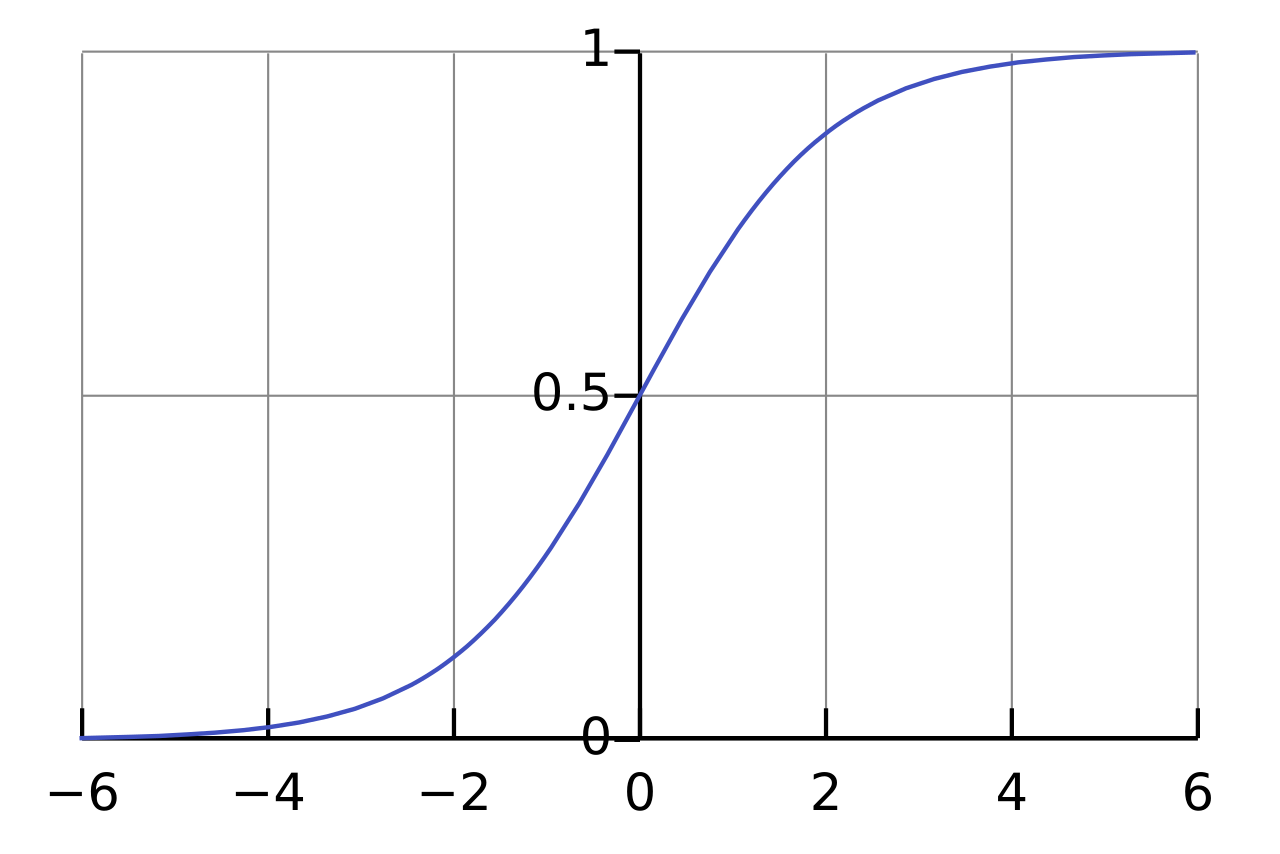
If the growth rate of a plant is plotted over time, a characteristic "S"-shaped curve is obtained, called a sigmoid curve. It has three phases—the Lag Phase (initially slow growth), the Exponential/Log Phase (the fastest growth—also called the "Golden Age of Growth"), and the Stationary Phase (the growth rate gradually decreases and then stops).
🖼️ Sigmoid (S-shaped) curve of plant growth — delay, log and steady state
Methods of measuring growth
- Direct method – Measuring the length of the stem at regular intervals using a simple measuring scale.
- Auxanometer — A more precise instrument, this involves a string tied to the front end of the stem and passed over a pulley, with a weight suspended at the other end; a long needle attached to the pulley rotates on a circular scale (arc) — as the stem grows, the needle slides on the scale, providing an accurate measurement of growth.
external factors affecting growth
Light (plants grown in darkness become elongated, pale and weak, and their leaves remain very small), temperature (generally 28-30°C is optimal, between 4-45°C is tolerable), water (both deficiency and excess inhibit growth) and mineral nutrients – apart from these four external factors, chemicals produced within the plant – phytohormones – are the most important internal regulators of growth, which we will understand in detail in the next section.
◆ Growth ◆ Additions ◆ differentiation ◆ dedifferentiation ◆ Sigmoid curve ◆ auxanometer
12 Plant growth regulators – auxins and gibberellins
Phytohormones are organic substances that are produced in very small quantities in one part of the plant and then travel to another part to influence growth there. There are five major natural classes: auxins, gibberellins, and cytokinins (all three called growth promoters), and ethylene and abscisic acid (which primarily act as growth inhibitors). In addition, some synthetic chemicals also exhibit hormone-like effects, called growth regulators.
Auxin
The Greek word 'Auxein' means 'to grow'. Natural auxinIndole-3-acetic acid (IAA)It is produced in the growing tip of the stem and root. Synthetic auxins include IBA (indole-3-butyric acid), NAA (naphthalene acetic acid), and 2,4-D (2,4-dichlorophenoxy acetic acid).
When the tip of an oat coleoptile (early sprout) was cut off, its growth stopped. The cut tip was placed on a piece of agar (a jelly-like substance obtained from algae) for about an hour, and then this piece of agar was placed over the cut coleoptile—amazingly, growth resumed! This proved that a chemical substance was transferred from the tip to the agar, which restarted growth—this substance was named 'auxin'.
Main effects and agricultural uses of auxins
- Promoting cell elongation – This increases the length of the stem and root.
- Apical Dominance—auxin produced in the apical bud suppresses the growth of lateral (axillary) buds; removal of the apex causes lateral branches to sprout—this principle is used to produce dense bushy growth in tea plantations and hedges.
- NAA is used to prevent premature fruit drop in apples.
- 2,4-D is used as a selective weedicide – it kills dicotyledonous weeds but does not harm monocotyledonous crops like wheat and rice.
- IBA is used in nurseries to induce adventitious rooting of cuttings – such as roses, grapes, sugarcane.
- By the combined use of auxin and gibberellin, seedless fruits (parthenocarpy) are produced in fruits like grapes, banana and papaya.
Gibberellin (GA)
The first fungusGibberella fujikuroiIt was isolated from (as described in our Hook story). It is produced in plant embryos, roots, and young leaves. It is acidic in nature, so it is also called gibberellic acid (GA₃).
Main effects and agricultural uses of gibberellin
- Increasing the length of the stem in dwarf plant varieties and bringing them to normal height.
- Inducing germination by breaking the dormancy of seeds and buds – Some seeds can germinate even in complete darkness when given gibberellin.
- Instead of vernalization – Flowering can be induced by applying gibberellin without cold treatment.
- It is sprayed to increase the length and weight of sugarcane stem, thereby increasing the yield.
- In the brewing industry it is used on barley to speed up the malting process.
- Fruits like grapes, oranges, apples and lemons are sprayed to increase their size and extend their shelf-life (delay aging).
- Increases yield by inducing bolting (sudden elongation of the nodes that occurs before flowering) in rosette plants such as beetroot and cabbage.
◆ Phytohormones ◆ Auxin (IAA) ◆ peak effectiveness ◆ 2,4-D ◆ Gibberellin (GA) ◆ Springization ◆ Bolting
13 Plant growth regulators – cytokinin, ethylene and abscisic acid
Cytokinin
The name was coined by F. Skoog and Carlos Miller because it specifically stimulates cytokinesis. The first known cytokinin, kinetin, was found in tobacco tissue cultures, while zeatin was isolated from maize embryos and coconut water—hence coconut water is still used as a natural cytokinin source in plant tissue culture experiments. It is produced primarily in root tips, developing shoot buds, and young fruits—that is, wherever rapid cell division is occurring.
Major effects of cytokinins
- Stimulating cell division and differentiation.
- Promoting the growth of lateral branches by reducing apical dominance—this is the exact opposite of the effect of auxin.
- Delaying senescence – keeping leaves green for a longer period, hence its commercial importance in preserving freshness of cut flowers and vegetables.
- The principle of the auxin-cytokinin ratio in tissue culture—if cytokinin is high and auxin is low, shoot development occurs; if auxin is high and cytokinin is low, root development occurs—is the principle upon which the modern plant tissue culture industry (commercial production of banana, potato, orchid) rests.
Ethylene
It is the only gaseous plant hormone, produced in abundance primarily in ripening fruits, senescent leaves, and wilting flowers. For agricultural use, a chemical called ethephon is used, which is readily absorbed by plants in solution and slowly releases ethylene gas—it is the most widely used growth regulator in agriculture.
Major effects and agricultural uses of ethylene
- Ripening of Fruits – Ethephon is used commercially to accelerate and uniform ripening of fruits such as bananas, mangoes, and tomatoes. During fruit ripening, there is a sudden, rapid increase in the respiration rate, called climacteric respiration.
- To promote abscission of leaves and flowers.
- Used to synchronize flowering and fruiting in pineapple and to induce flowering in mango.
- Increasing yield by increasing the number of female flowers in cucumber.
- Inducing germination/sprouting by breaking dormancy in groundnut and potato.
- In rice varieties grown in deep water, the petiole lengthens rapidly so that the leaves remain above water.
Abscisic Acid (ABA)
Its discoveryFrederick Addicott and Philip Wareing (1965)It is produced mainly in leaves and is called the 'stress hormone' because its concentration increases rapidly under adverse conditions (drought, salinity, cold).
Key Effects of Abscisic Acid
- Closing of stomata in water stress conditions, thereby preventing water loss through transpiration – this is the plant's 'emergency water-saving mechanism'.
- Maintaining seed and bud dormancy (opposite to the effect of gibberellins) – This ensures that seeds do not germinate prematurely in adverse weather.
- Induction of tuber formation in potato.
- Promote senescence and leaf abscission – Growth inhibitors are used to prevent premature sprouting in stored potatoes and onions.
Three growth-promoting "friends"—auxin (length), gibberellin (height), and cytokinin (cell division); and two growth-inhibiting/regulating "watchmen"—abscisic acid (brakes during stress) and ethylene (ripening and shedding signals). The behavior of any plant is determined by the delicate balance between these five.
◆ cytokinin ◆ kinetin ◆ Zietin ◆ Ethylene ◆ Ithephon ◆ Climacteric respiration ◆ Abscisic acid ◆ Stress hormones
14 Photoperiodism, Flowering and Vernalisation
Photoperiodism is the ability of plants to regulate their flowering, bud dormancy, and tuber formation according to the length of the day (photoperiod). On this basis, plants are classified into three categories—short-day plants, which flower only when the day length is less than a certain limit (e.g. chrysanthemum, cosmos, dahlia, soybean); long-day plants, which flower only when the day length is more than a certain limit (e.g. gulmohar, radish, spinach); and day-neutral plants, whose flowering is not affected by the length of the day (e.g. cucumber, tomato, sunflower).
florigen and phytochrome
Florigen is a hypothetical 'flowering-inducing hormone', which is believed to be synthesized in leaves when the photoperiod is favorable, and then travels to the stem tip to induce flowering there. A key role in this entire process is played by a light-sensitive pigment called phytochrome, which exists in two interchangeable forms—Pr (the red light-absorbing form) and Pfr (the far-red light-absorbing form); in red light, Pr is converted to Pfr, and in far-red light, the process is reversed—this mechanism allows the plant to 'sense' whether it is day or night, and for how long.
Vernalisation
Some biennial plants—which normally complete their life cycle in two seasons (only vegetative growth in the first season, flowering in the second)—acquire the ability to flower much earlier if the seeds or seedlings are exposed to low temperatures (about 1-10°C) for a period of time, condensing their entire life process into a single season. This process, called vernalization, is widely used agriculturally in winter varieties of wheat, barley, and rye, allowing farmers to grow and harvest biennial crops practically as annuals, allowing earlier harvests in various climatic zones.
◆ photoperiodism ◆ Short-Day Plants ◆ long-day plants ◆ Florigen ◆ Phytochrome ◆ Springization
15 Senescence, abscission and plant stress
Senescence is a degenerative process in which the organization and functionality of an organ or an entire plant gradually and completely disappears. In annual plants (such as wheat, rice, and tomatoes), the entire plant senescently dies after flowering and seeding, whereas in perennial plants, only the aerial parts (leaves) senescent annually, while the underground parts (roots) survive. Hormonally, abscisic acid and ethylene promote senescence, while cytokinin delays it.
Abscission
Abscission is the process of old leaves, flowers, and fruits falling off the plant. This occurs at a specific "abscission zone" at the base of the petiole, where weakening of the middle lamella and cell walls loosens the cells, and even a light breeze or rain can cause them to separate. Auxin inhibits abscission (which is why NAA is sprayed to prevent premature fruit drop), while abscisic acid and ethylene promote it.
Plant Stress
When an adverse change in the environment negatively affects a plant's growth and development, it's called stress. Water stress has two forms: excess water (waterlogging, which causes roots and branches to turn black) and water shortage (drought, which causes leaves to turn yellow and wilt, reducing both photosynthesis and respiration). Salt stress involves excessive calcium and sodium salts in the soil, which causes cells to hydrolyze (dehydrate) and stunts growth. In arid and semi-arid regions like Rajasthan, both water stress and soil salinity are major challenges faced by farmers. To address these challenges, drip irrigation and stress-tolerant crop varieties are being promoted.
◆ dilapidation ◆ isolation zone ◆ water stress ◆ salt stress ◆ Biennial plants
16 Application of growth regulators in agriculture and horticulture
So far, we've looked at the individual agricultural uses of each hormone. Now, let's put them all together—this topic is crucial from the RAS Mains perspective, as it embodies the essence of "Agriculture and Horticulture with Special Reference."
| Crop/Use Area | Growth regulators used | Objective |
|---|---|---|
| Mango | THE | Preventing premature fruit drop |
| Grape | Gibberellic acid (GA₃) | Increasing berry size |
| Banana | Ethylene/Ethephon | Uniform cooking |
| Pineapple | Ithephon | Synchronous flowering |
| Tomato | Auxin + Gibberellin | Seedless fruit production |
| Sugarcane | OTHER | root development and stem growth |
| Apple | NAA / Gibberellin | Prevents fruit drop, increases shelf-life |
| Orange | gibberellic acid | improve fruit quality |
| wheat and rice fields | 2,4-D | Dicotyledonous weed control |
Ten major application areas
- Seed germination and plant growth – Gibberellic acid increases the germination rate in rice, wheat and vegetables by breaking seed dormancy.
- Root formation – Use of auxins (IAA/IBA/NAA) in cuttings helps in rapid root formation in plants like rose, grapes, sugarcane etc.
- Fruiting and Yield – Growth regulators increase fruit set in tomato, mango, grapes and banana by preventing premature fruit drop.
- Seedless fruit production – Auxin-gibberellin combination is used in grapes, banana, orange, tomato to produce seedless fruits which are in high demand in the market.
- Flowering control—Ethylene and gibberellins regulate flowering; ethephon is used to induce uniform flowering in pineapple.
- Weed control – 2,4-D reduces production costs by destroying broad-leaved weeds in wheat and rice fields.
- Fruit ripening – Ethylene ripens banana, mango and tomato evenly, increasing their quality and market value.
- Delays senescence – Cytokinins increase the shelf-life of vegetables and flowers by keeping the leaves green.
- Stress tolerance – Abscisic acid helps conserve water during drought and adverse conditions.
- Tissue Culture – Disease-free commercial mass production of plants like banana, potato, orchid is done by controlling the auxin-cytokinin ratio.
Benefits and Risks of Growth Regulators
| 🟢 Benefits | 🔴 Risk/Loss |
|---|---|
| ◆ Growth regulation and yield enhancement ◆ Tolerance to stresses like drought, salinity and heat ◆ Control of fruit drop, seedless fruit production ◆ Ripening regulation, effective even in very small quantities | ◆ High concentrations can cause stunted growth or abnormal development. ◆ Disturbances in the shape, taste and aroma of the fruit ◆ Shelf-life loss due to premature ripening ◆ Effects on soil microorganisms and ecological balance, health risks from chemical residues |
The use of growth regulators is a powerful technique in modern agriculture and horticulture, but they should always be used in recommended quantities and under scientific guidance – excessive or unbalanced use can harm crop quality, consumer health and the environment.
◆ growth regulator ◆ seedless fruit ◆ fruit set ◆ tissue culture ◆ herbicide
• Plants absorb about 60 mineral elements from the soil, but only 17 are essential—6 macronutrients (N, P, K, Ca, Mg, S) and 8 micronutrients (Fe, Mn, B, Zn, Cu, Mo, Cl, Ni); according to Liebig's 'law of the minimum', the least available element limits growth. • Photosynthesis occurs in the chloroplast—photoreactions (thylakoids, photolysis of water, ATP-NADPH formation) and darkreactions (stroma, CO₂ fixation); plants follow C3 (Calvin cycle), C4 (Kranz physiology, Hatch-Slack cycle), or CAM (nighttime CO₂ uptake) pathways. • Respiration occurs in the mitochondria—glycolysis (cytoplasm), the Krebs cycle, and the electron transport system (mitochondria), yielding approximately 36–38 ATP from a single glucose molecule; fermentation occurs in the absence of oxygen, which has many industrial uses, such as bakery and wine. • The sigmoid curve of growth is divided into three phases (delay, log, stationary); both external factors (light, temperature, water, nutrients) and internal factors (phytohormones) control growth. • Five major plant hormones—auxin (cell elongation, apical dominance, herbicide 2,4-D), gibberellin (stunting, dormancy breaking, malting), cytokinin (cell division, delaying senescence, tissue culture), ethylene (fruit ripening, abscission, climacteric respiration), and abscisic acid (stress hormone, stomatal closure, dormancy maintenance). • Photoperiodism (short-day/long-day/day-neutral plants), phytochrome (Pr-Pfr) and vernalization (making biennial plants practically annuals) control the timing of flowering. • Senescence and abscission are ultimately promoted by abscisic acid-ethylene and delayed by cytokinin-auxin; water and salt stress are major agricultural challenges in arid regions like Rajasthan. • Growth regulators have wide applications in agriculture and horticulture – seed germination, root formation, fruit-yield enhancement, seedless fruit, flowering control, weed control, fruit ripening, senescence delay, stress tolerance and tissue culture – but they should always be used in scientific quantities.